Personal Projects
Here Be Dragons
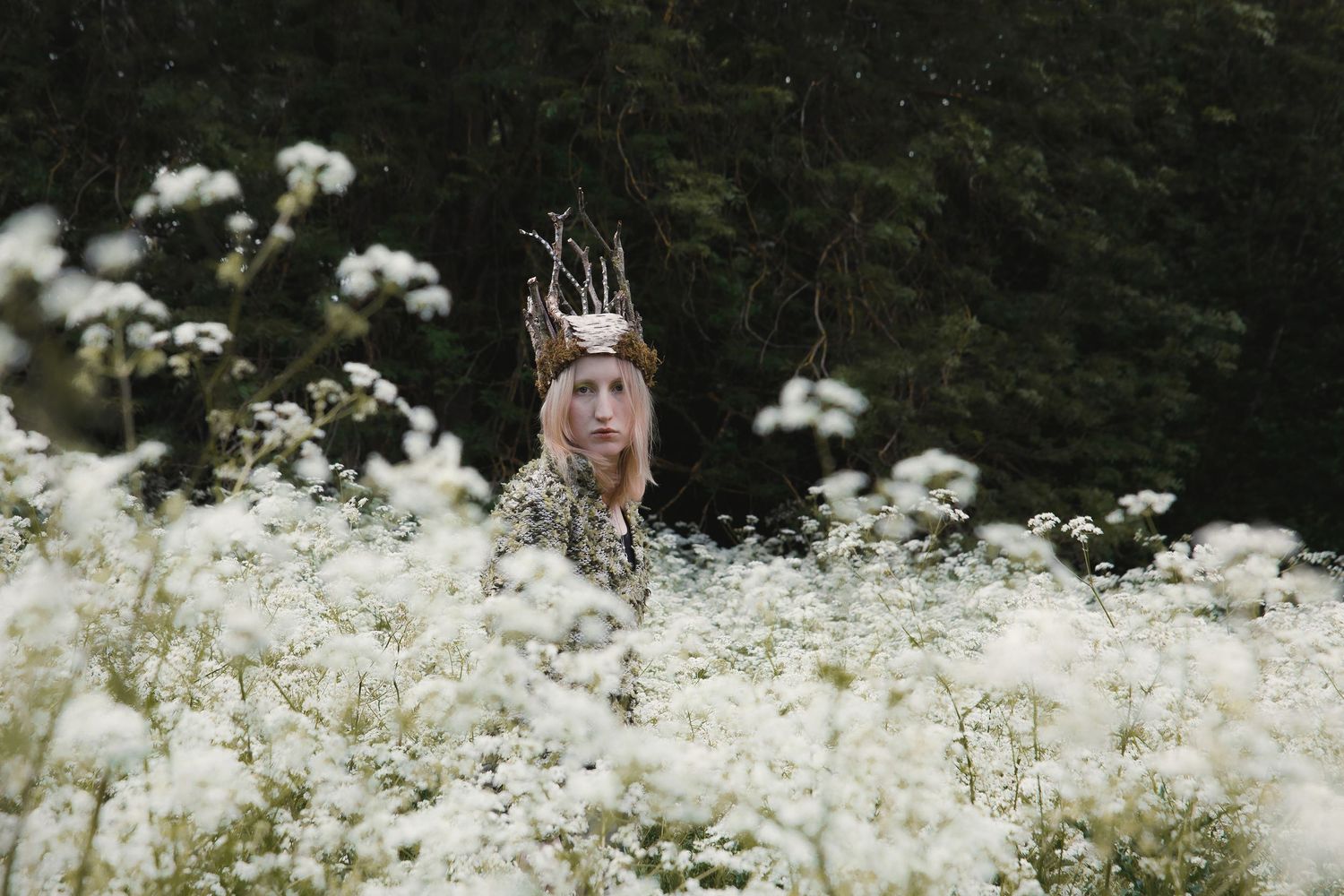
When medieval mapmakers charted the edge of unexplored lands, they inhabited them with illustrations of a fantastic array of dragons, sea monsters and other beings they dreamt lived there, scripting "Here be dragons" on the unexplored edges of the map. From our maps to our folk tales, magical creatures inhabiting unexplored territories have enraptured human imagination over the centuries. My project Here Be Dragons is an exploration of the mythical creatures that flourish across different cultures.
As a child, my grandmother read me folk tales from across the world to put me to sleep. I found these bedtime stories endlessly fascinating; my grandmother unfailingly fell asleep before me, at which point my grandfather would continue reading. If my grandfather fell asleep, it would be time to wake grandmother again.
This project is a tribute to some of the magical characters introduced to me by my grandparents. Featured in the project so far are Leshy, a Ukrainian woodland spirit, Quetzalcóatl, a feathered serpent deity from Mexico, Impundulu, a lightning bird from South Africa, Chochin-Obake, a sentient lantern from Japan, and Siren, a beguiling Grecian mermaid-like temptress.
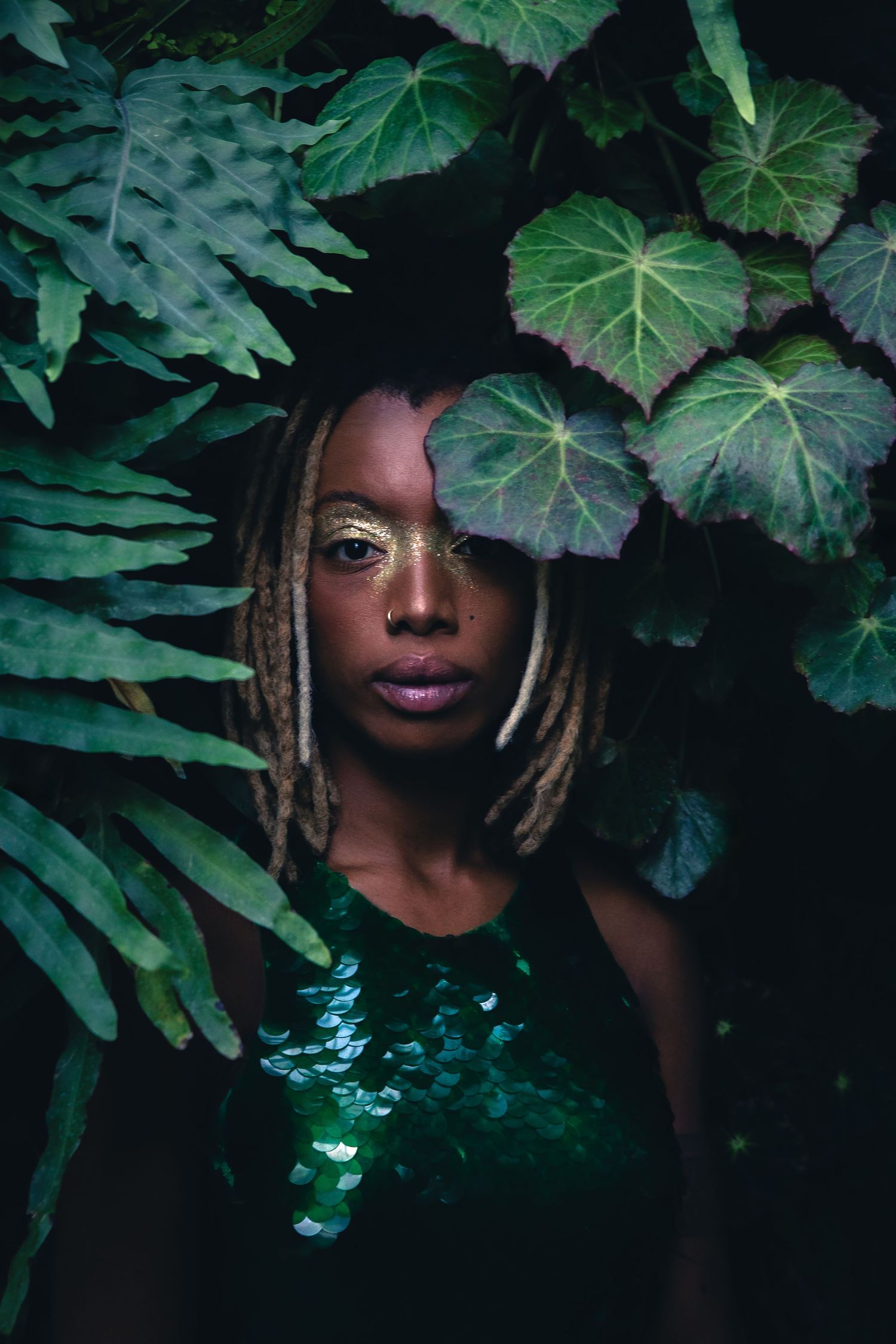
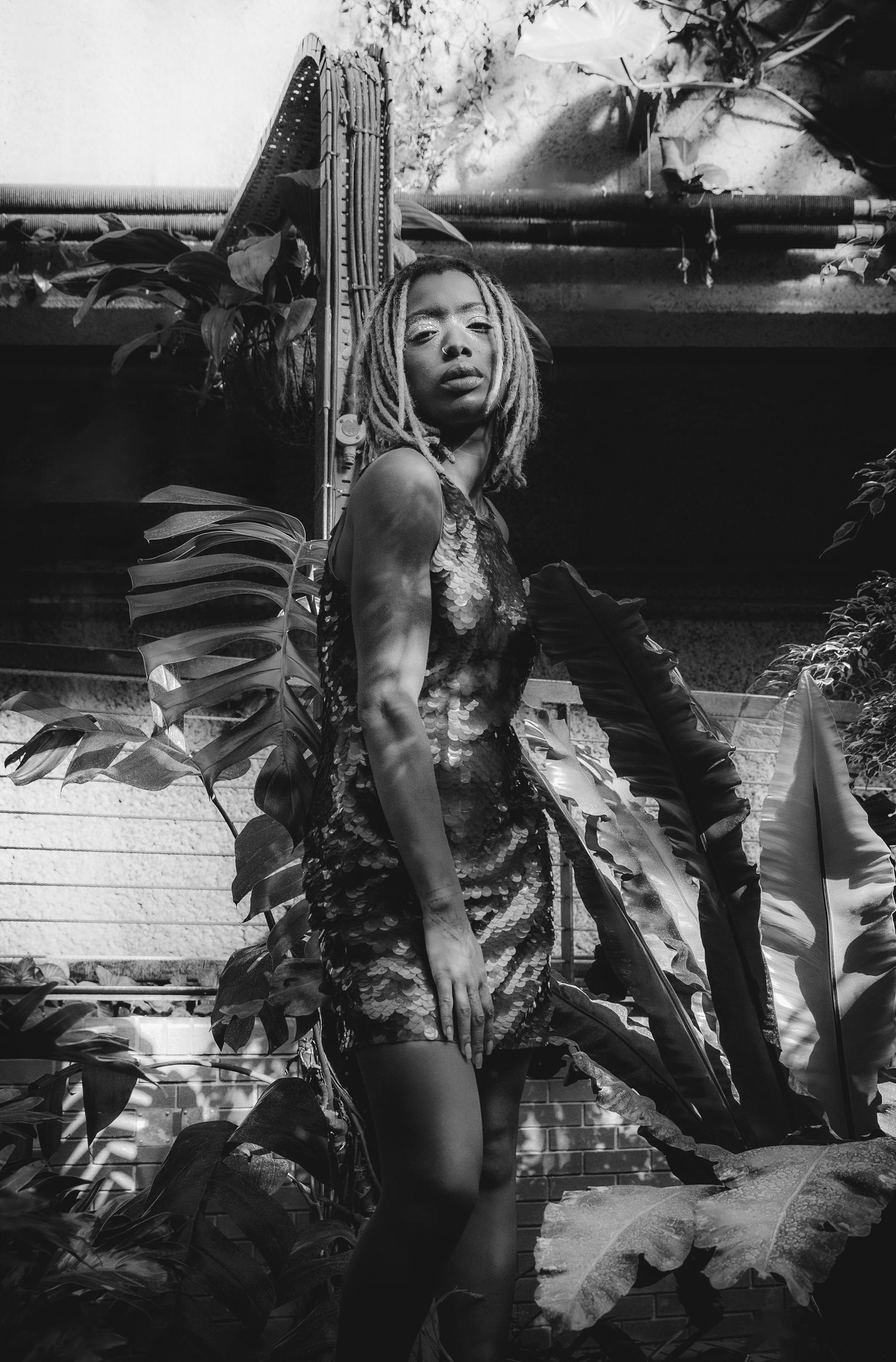
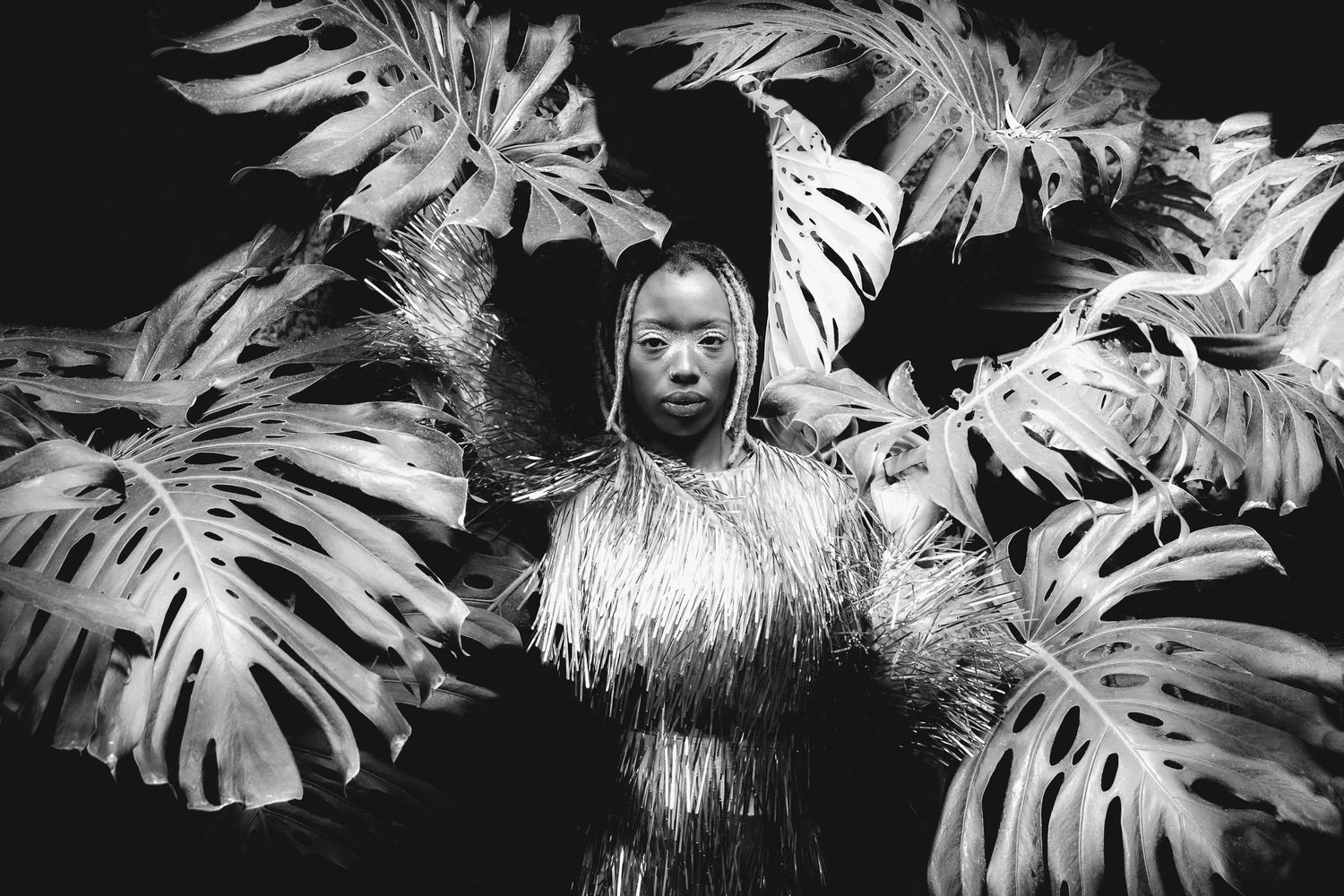
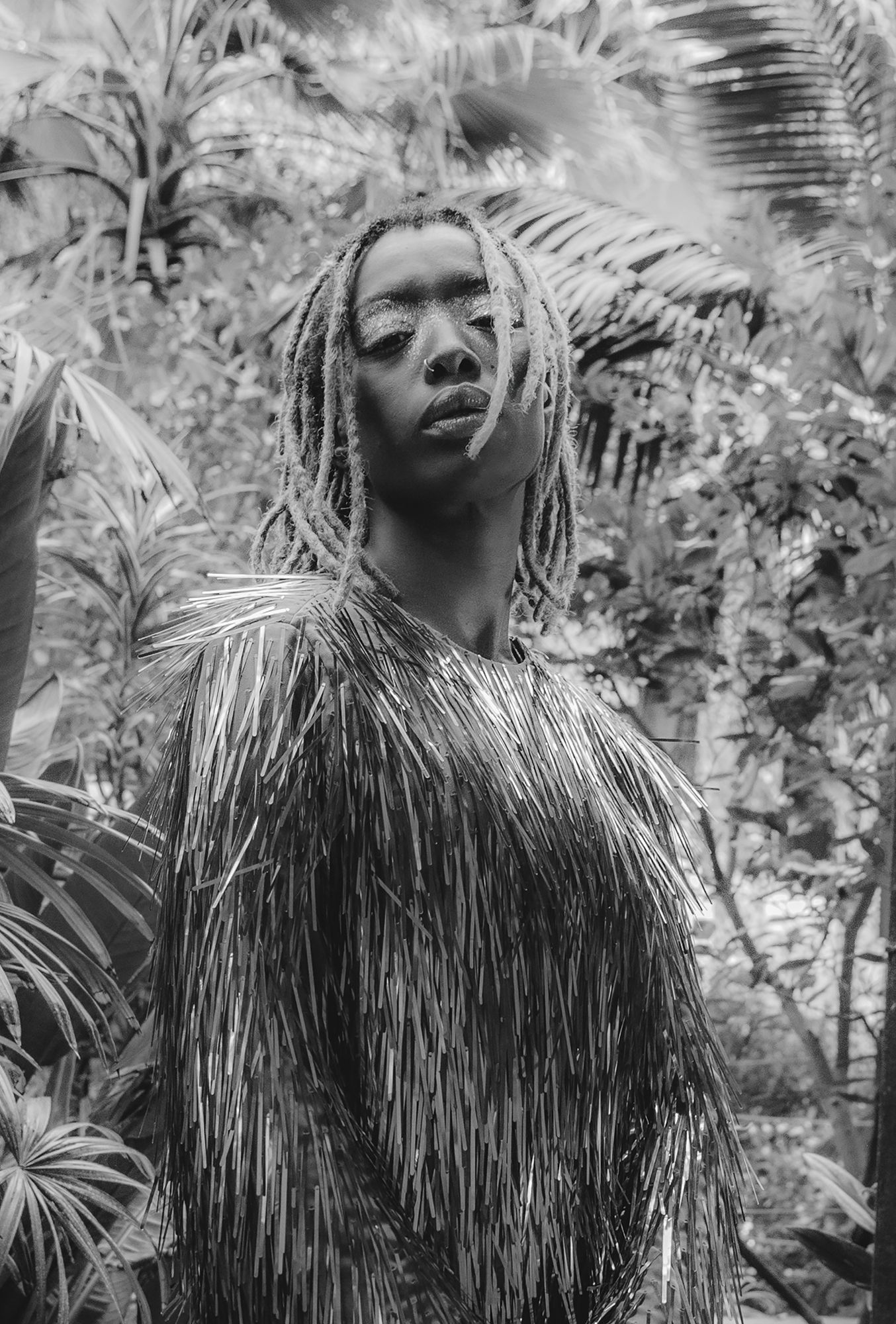
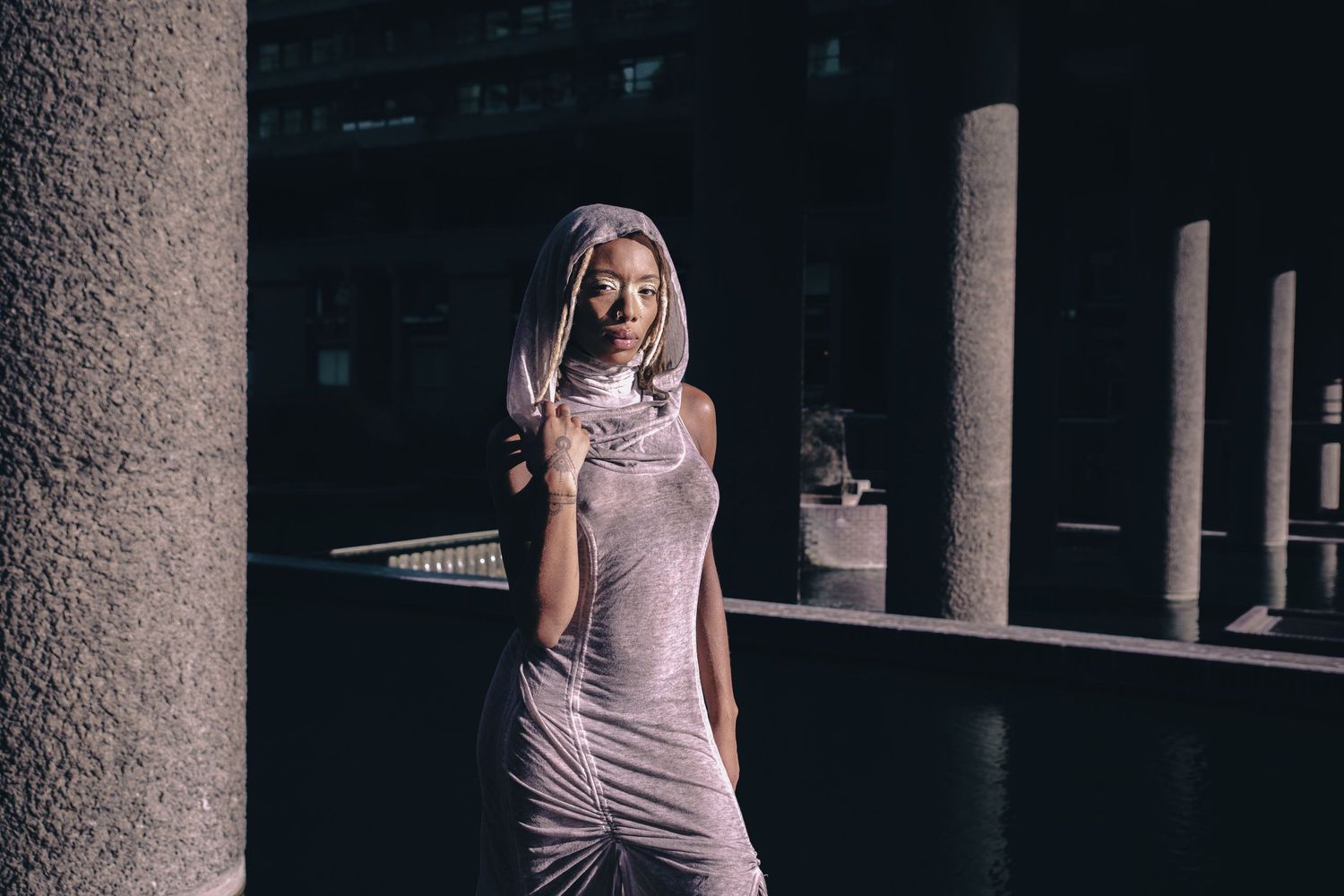
Leshy
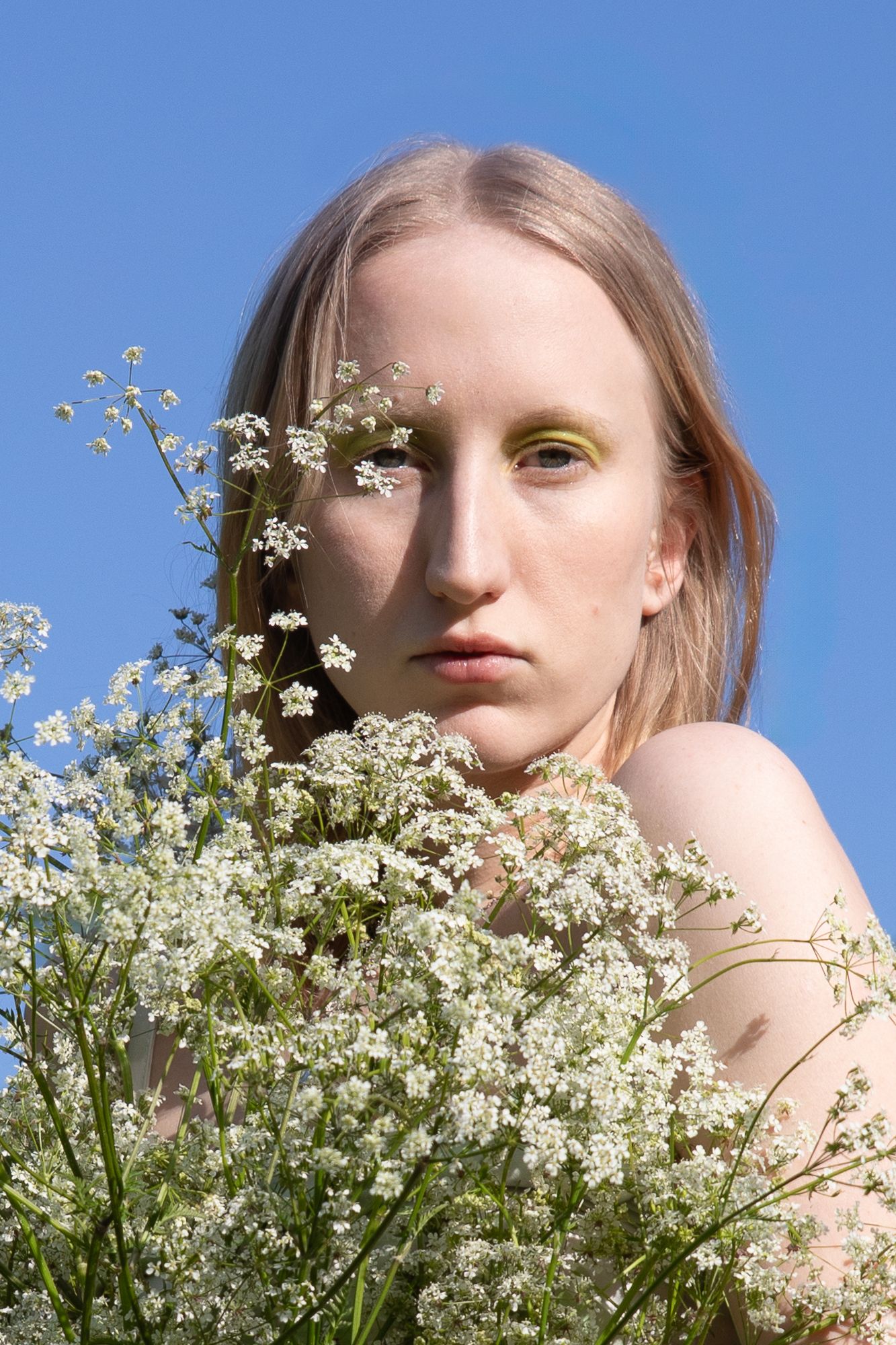
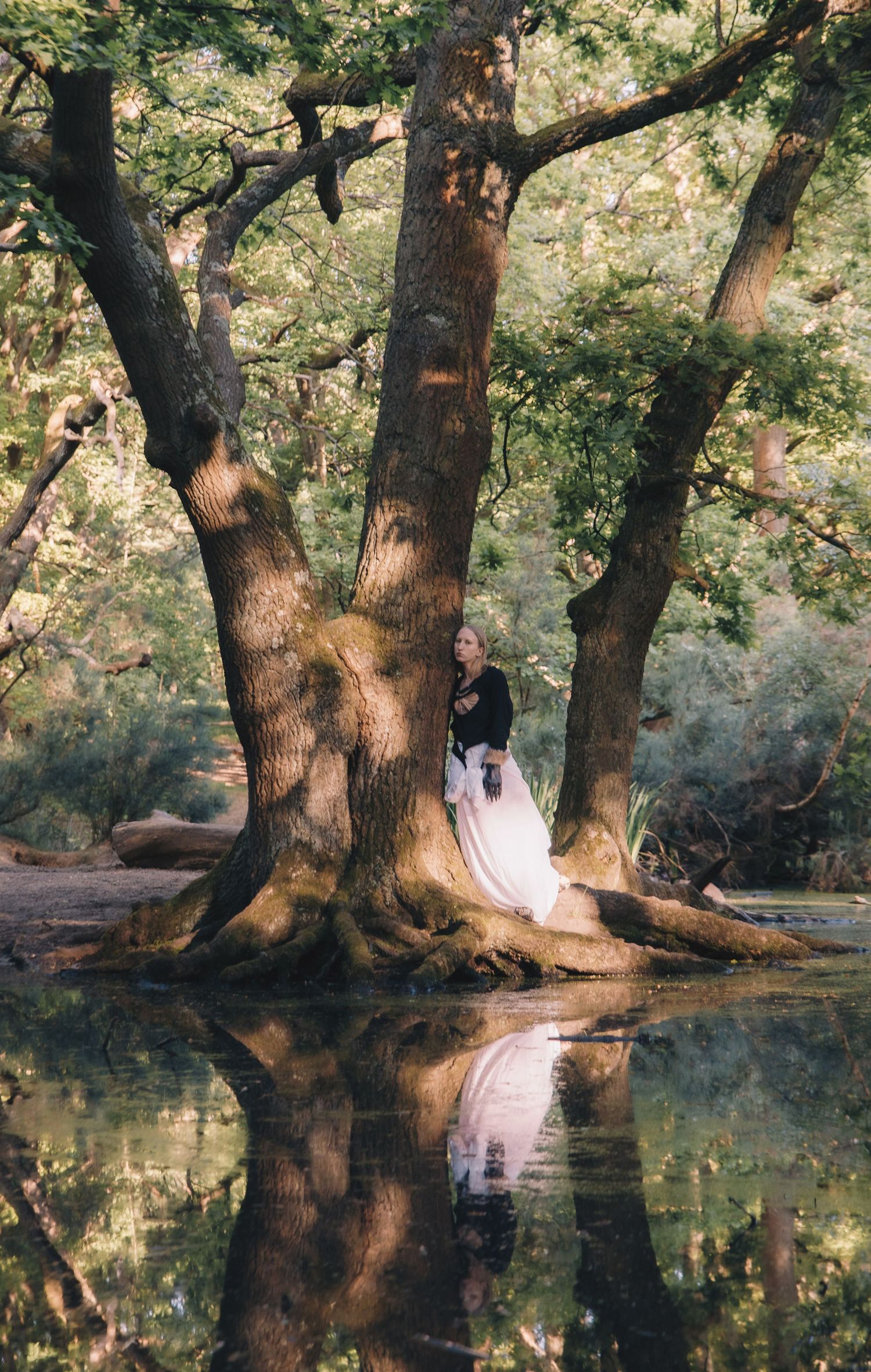
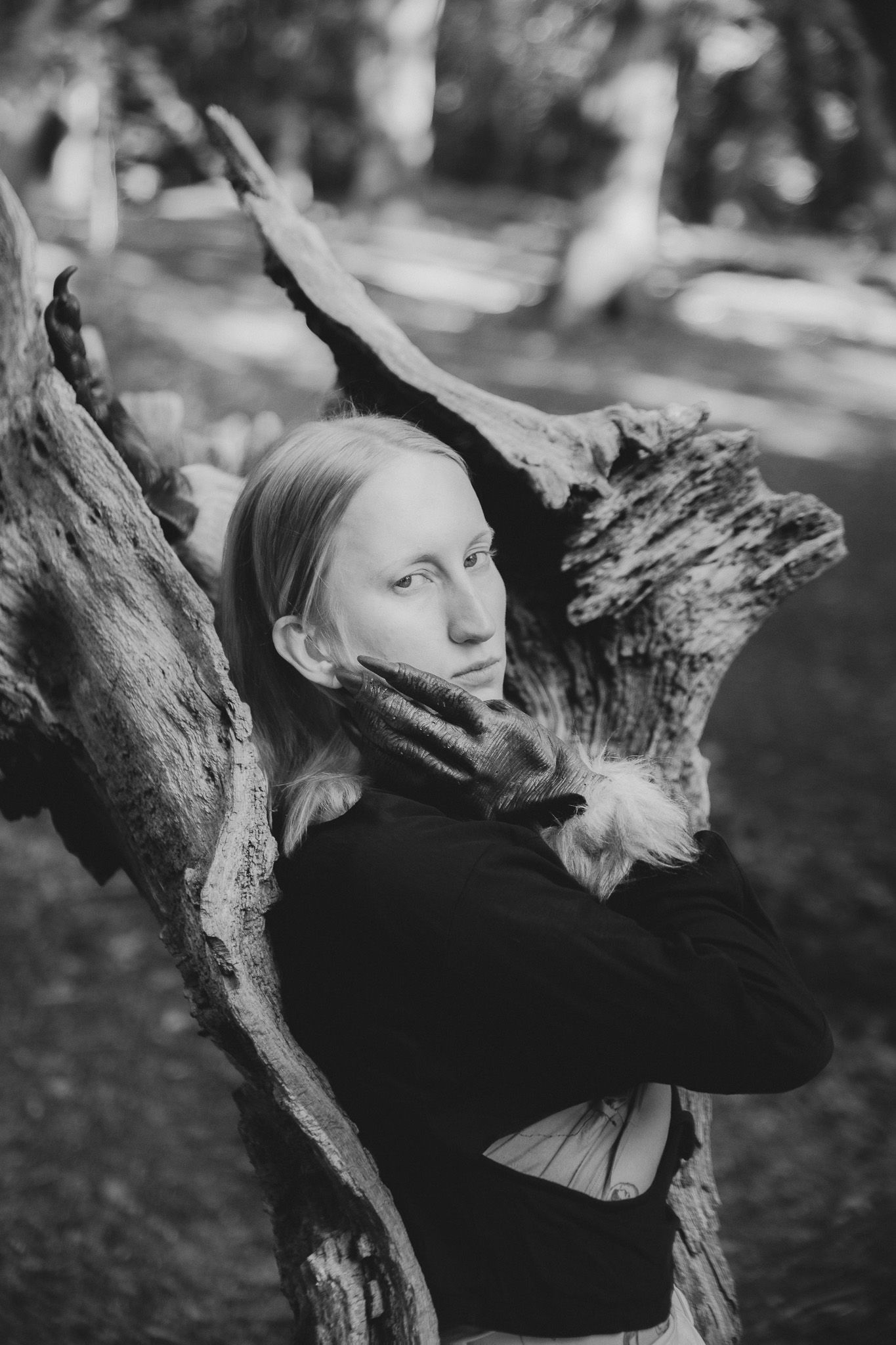
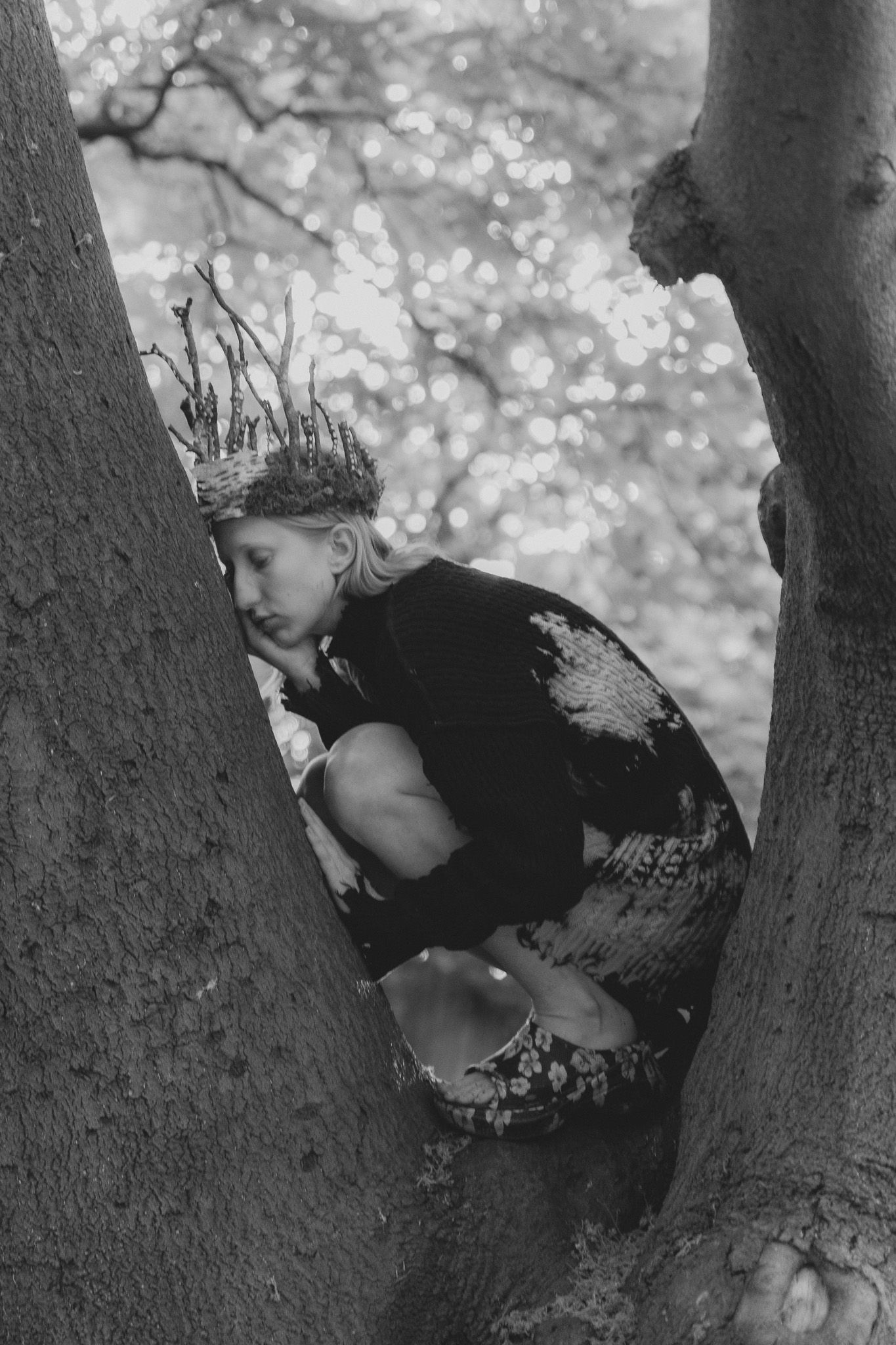
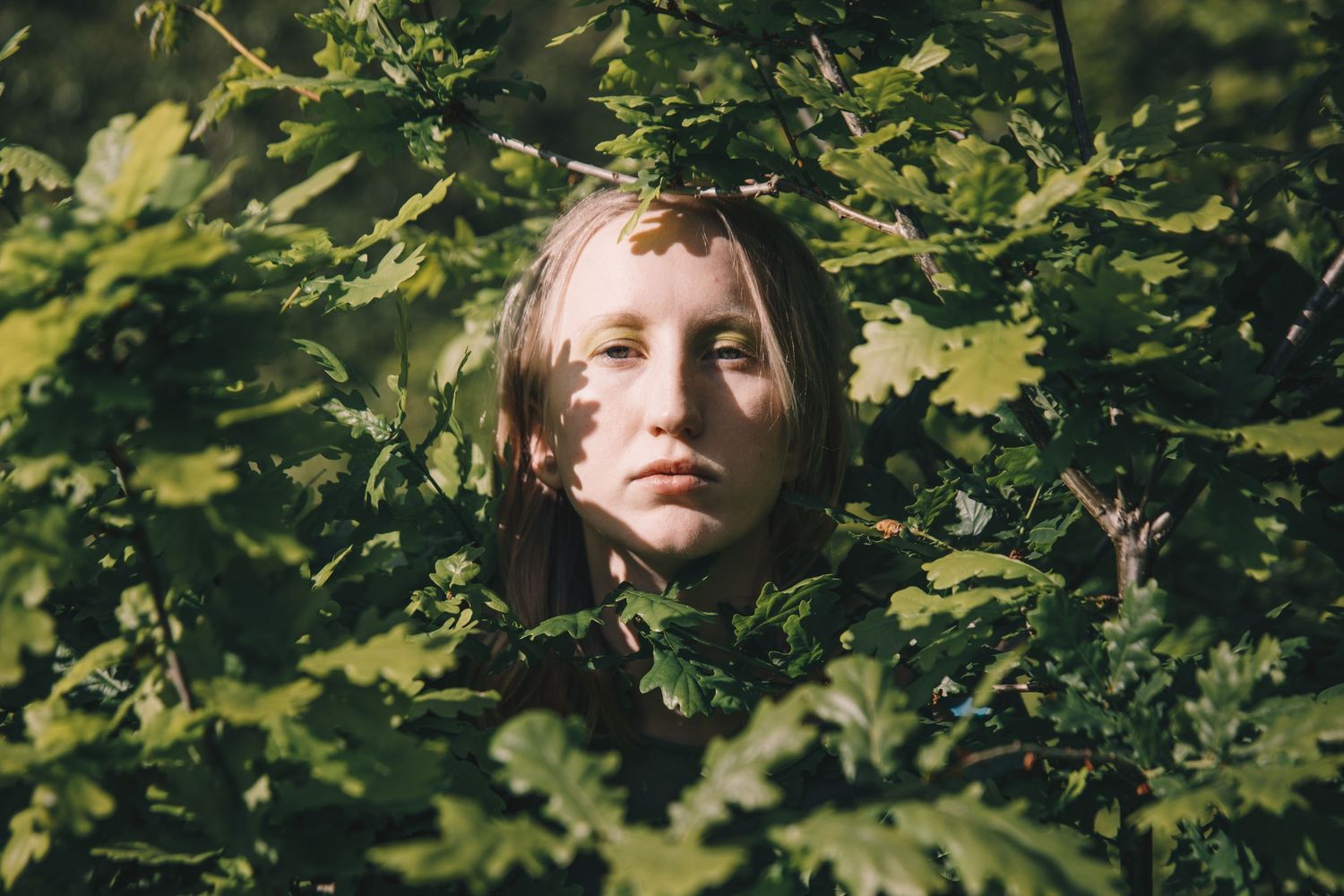
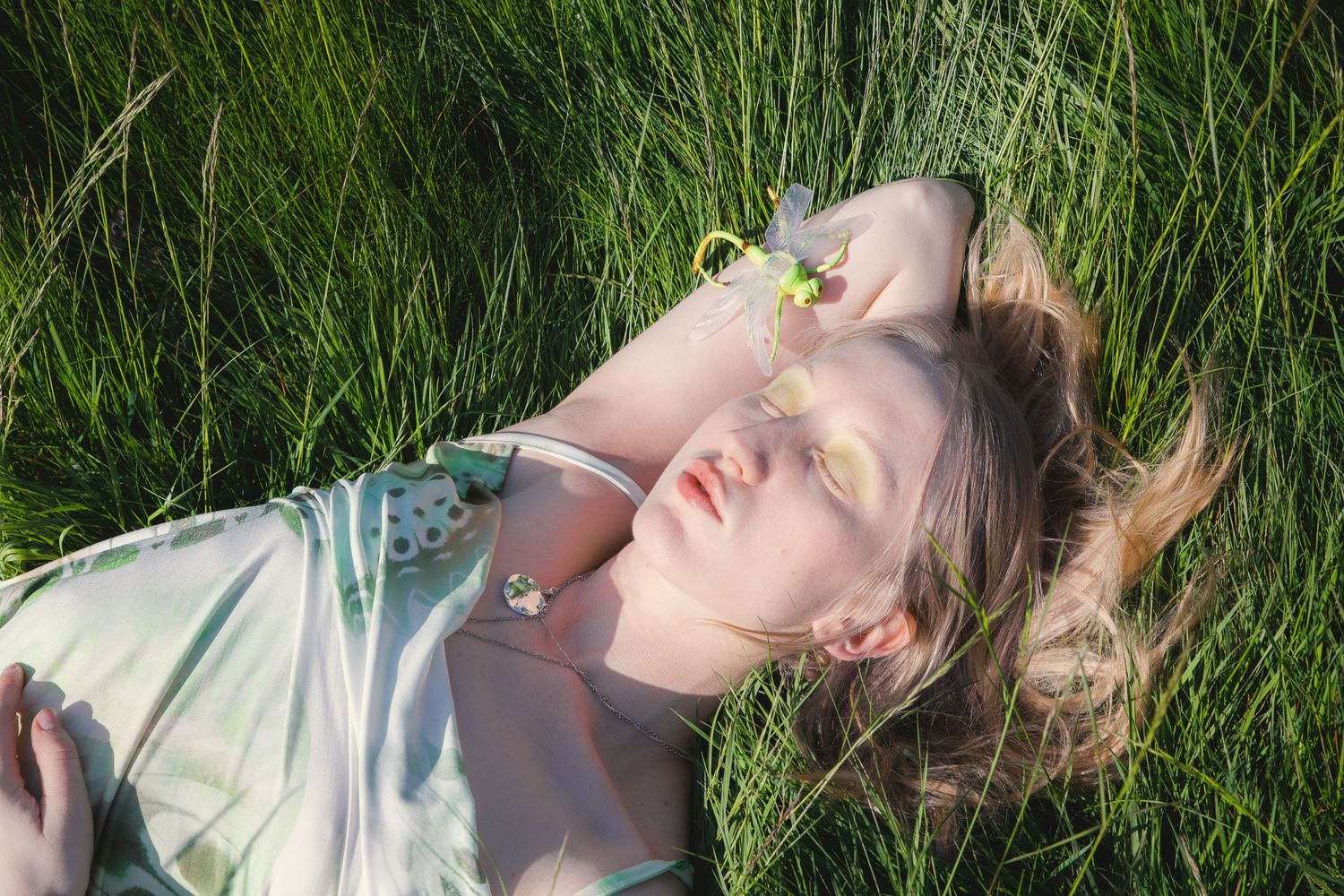
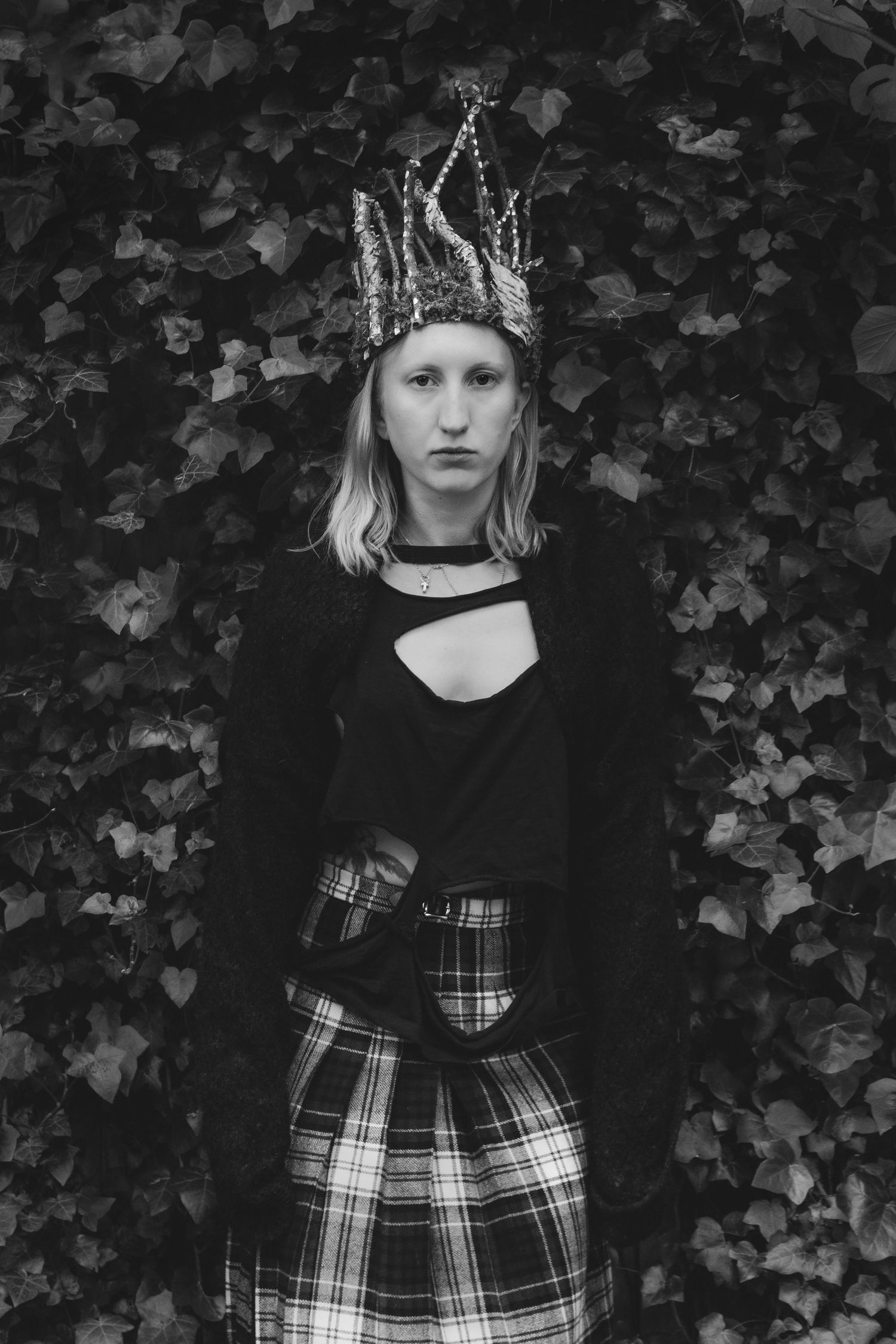
Humans have long been fascinated by wild woods, telling tales about the creatures inhabiting them: ferocious and benign, friendly and hostile.
Leshy is a woodland spirit from Slavic folklore, believed to be a formidable protector of forests and wild animals. Leshy is seldom seen, but its voice can be heard in the forest laughing, whistling, or singing among the trees.
Leshy enjoys playing tricks on people visiting its forest, although he can turn treacherous when animals and trees under his protection are threatened. If Leshy crosses your path in the woods, you will immediately get lost; to find your way home, you have to turn your clothes inside out and wear your shoes on opposite feet.
Quetzalcóatl
Quetzalcóatl, a dragon-like Feathered Serpent, is a divine spirit from the Aztec pantheon. Quetzalcóatl was originally the god of vegetation, however over time his role expanded to become the patron of priests, the inventor of the calendar and books, and the protector of craftsmen.
As a manifestation of the morning and evening star, Quetzalcóatl was the symbol of death and resurrection. According to legends, after helping to create humankind, Quetzalcóatl wandered down to the coast of the Atlantic Ocean, embarked upon a raft made of snakes and disappeared beyond the eastern horizon, to return in the next age.
Chōchin-Obake
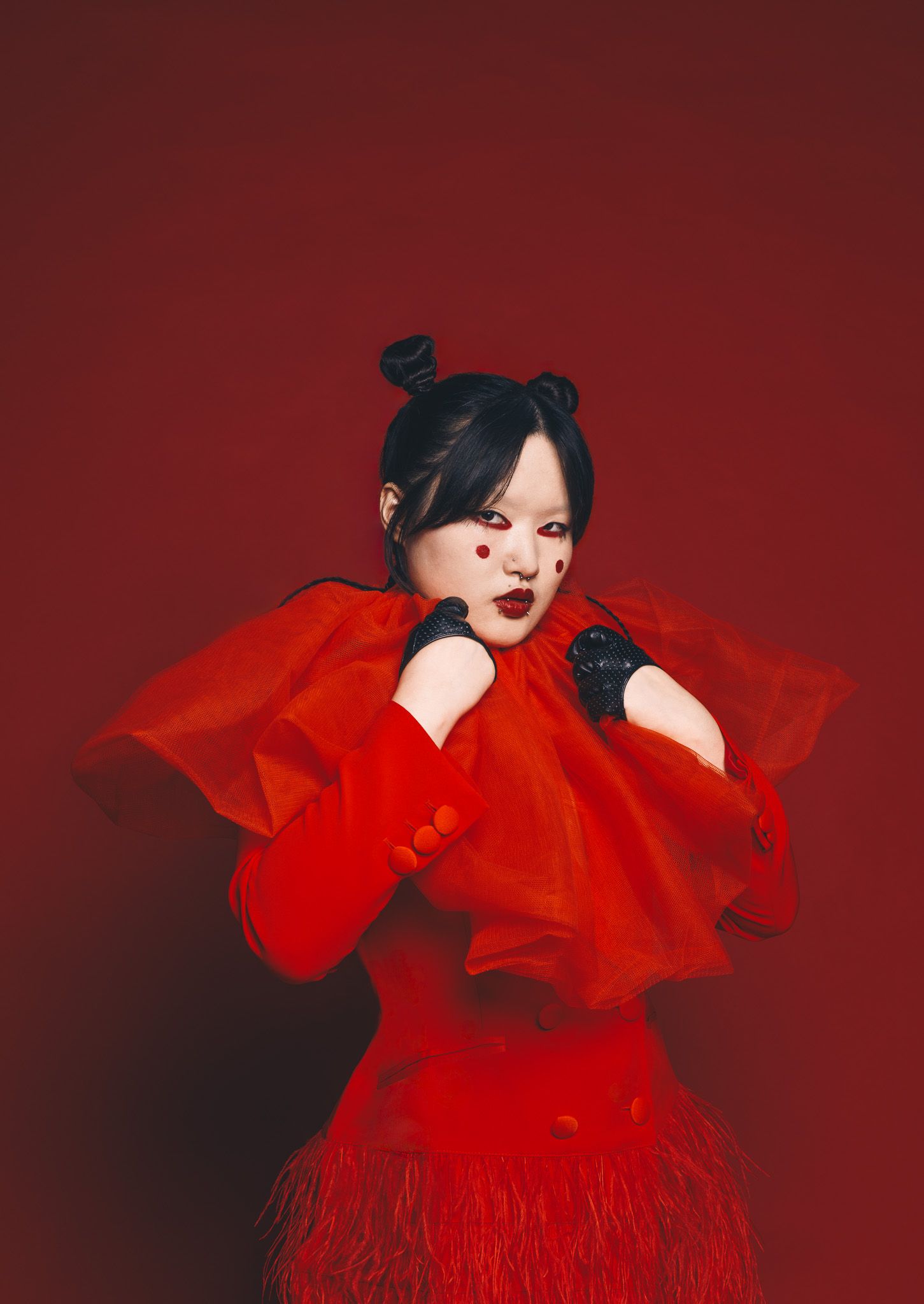
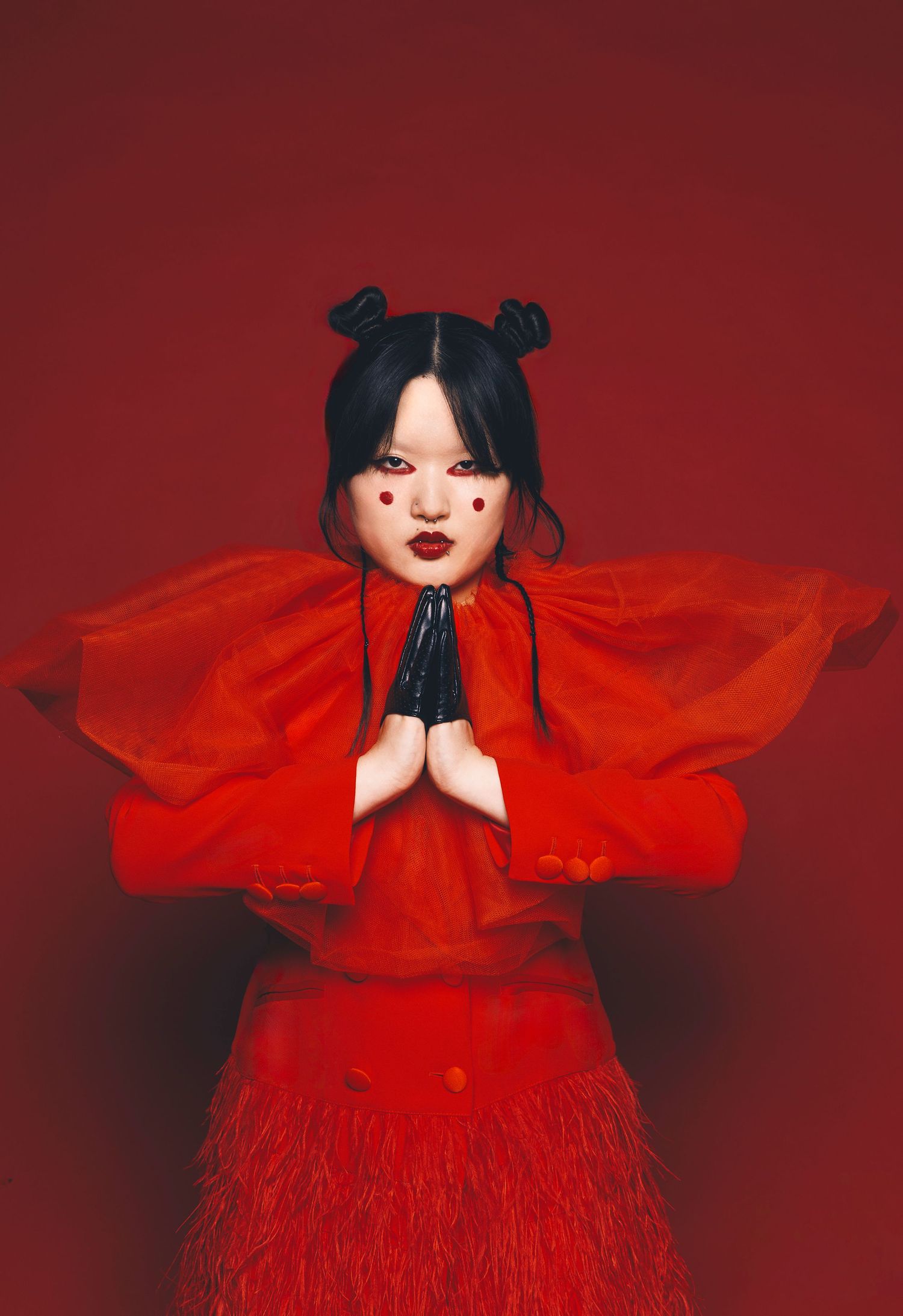
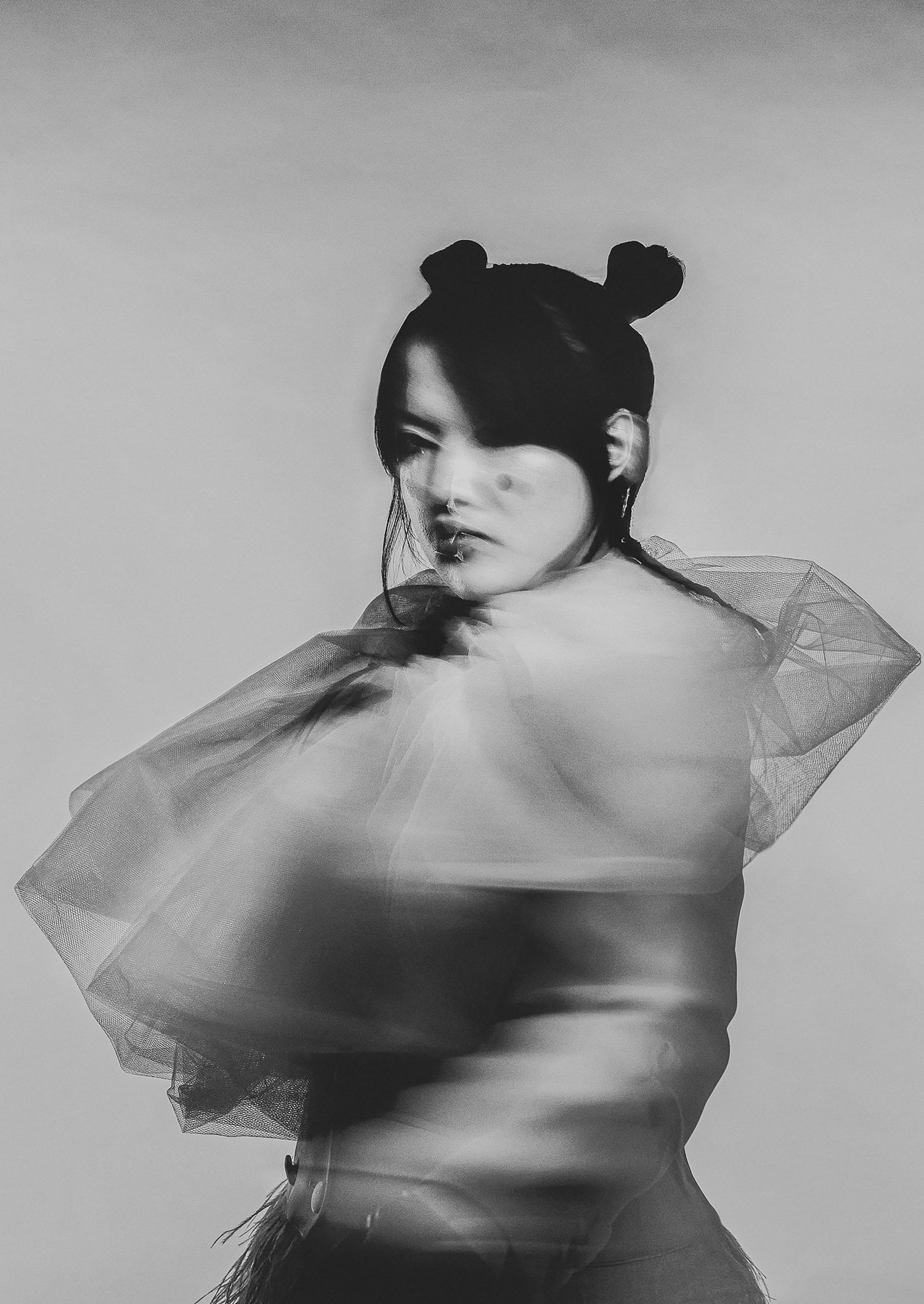
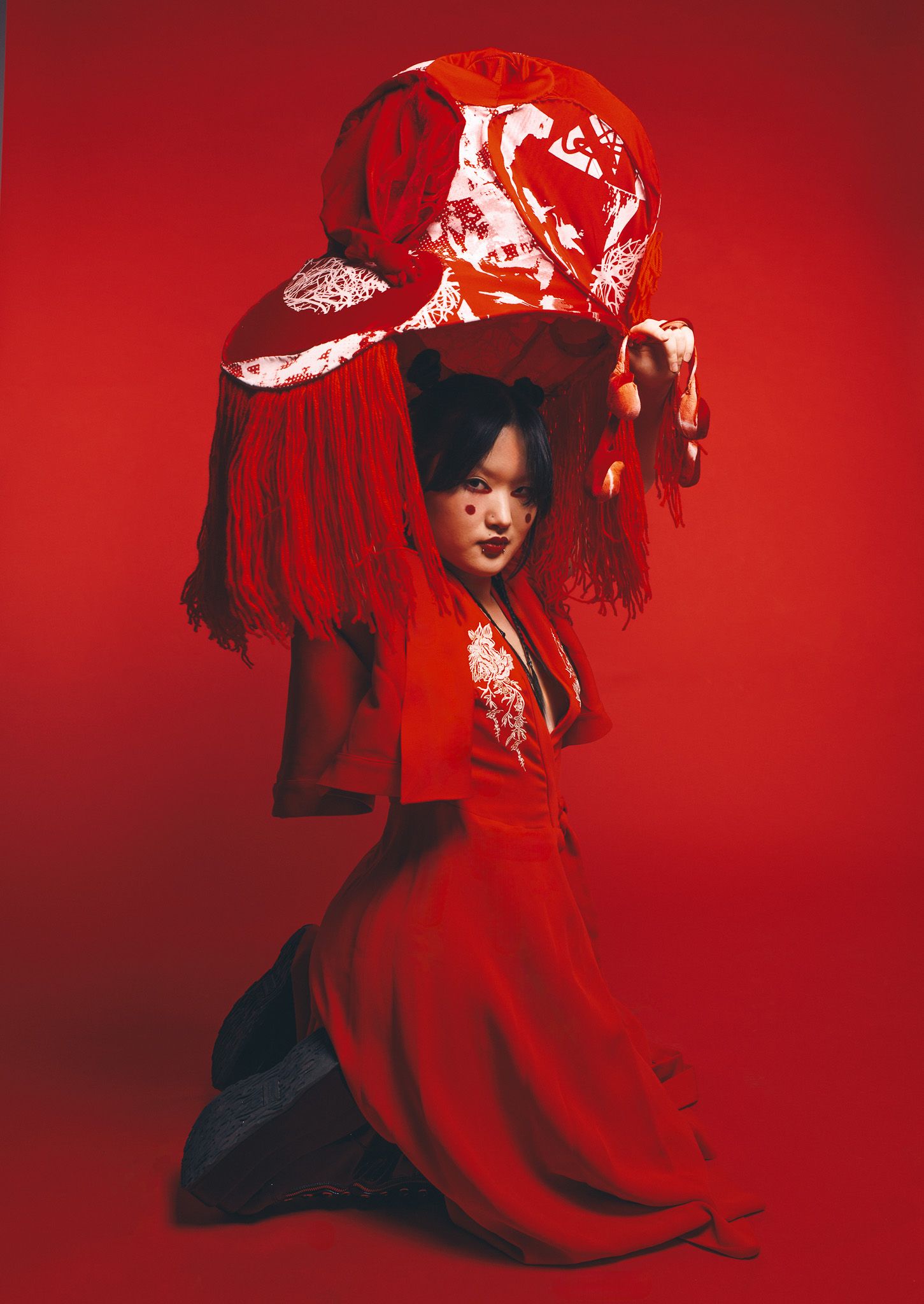
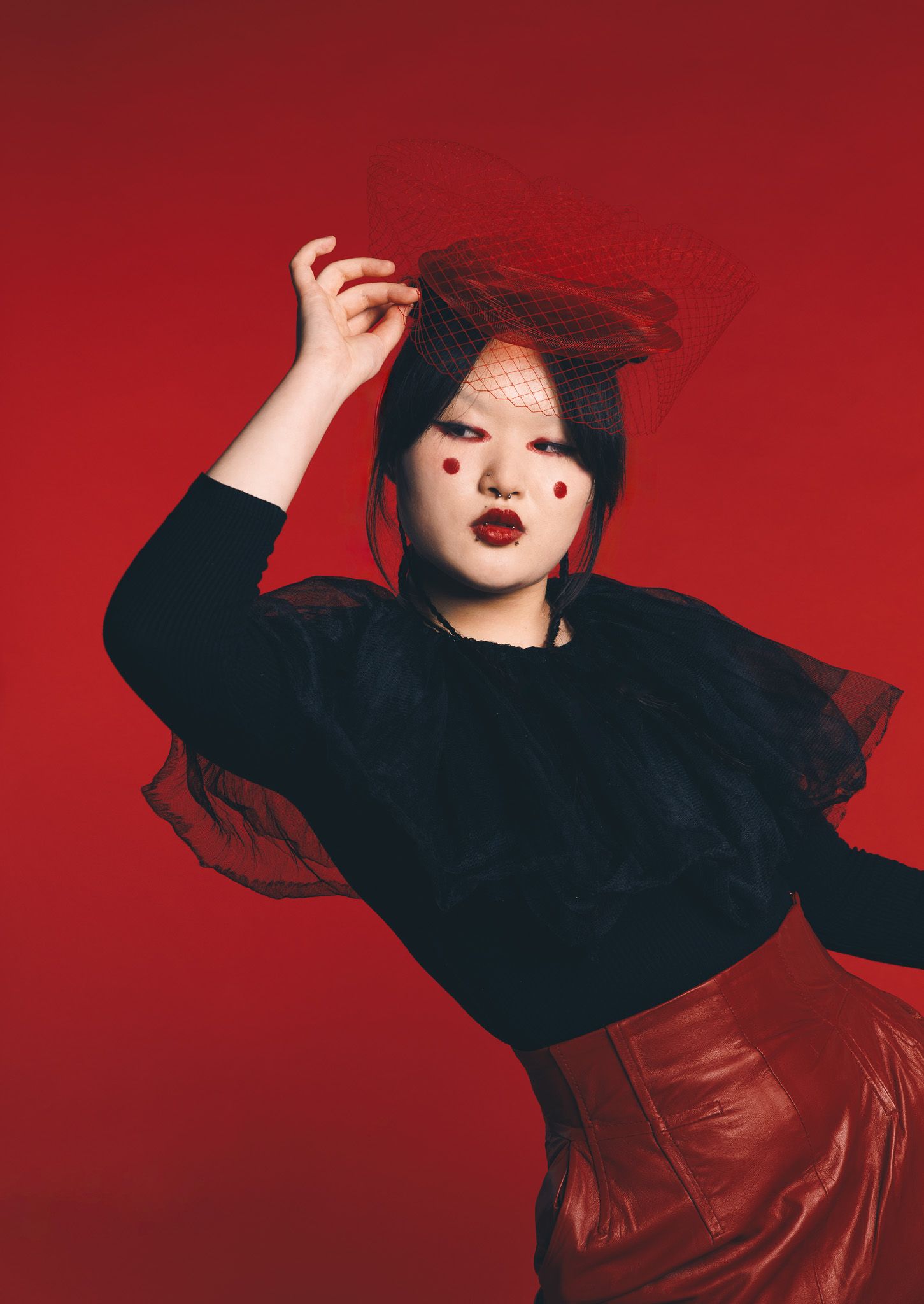
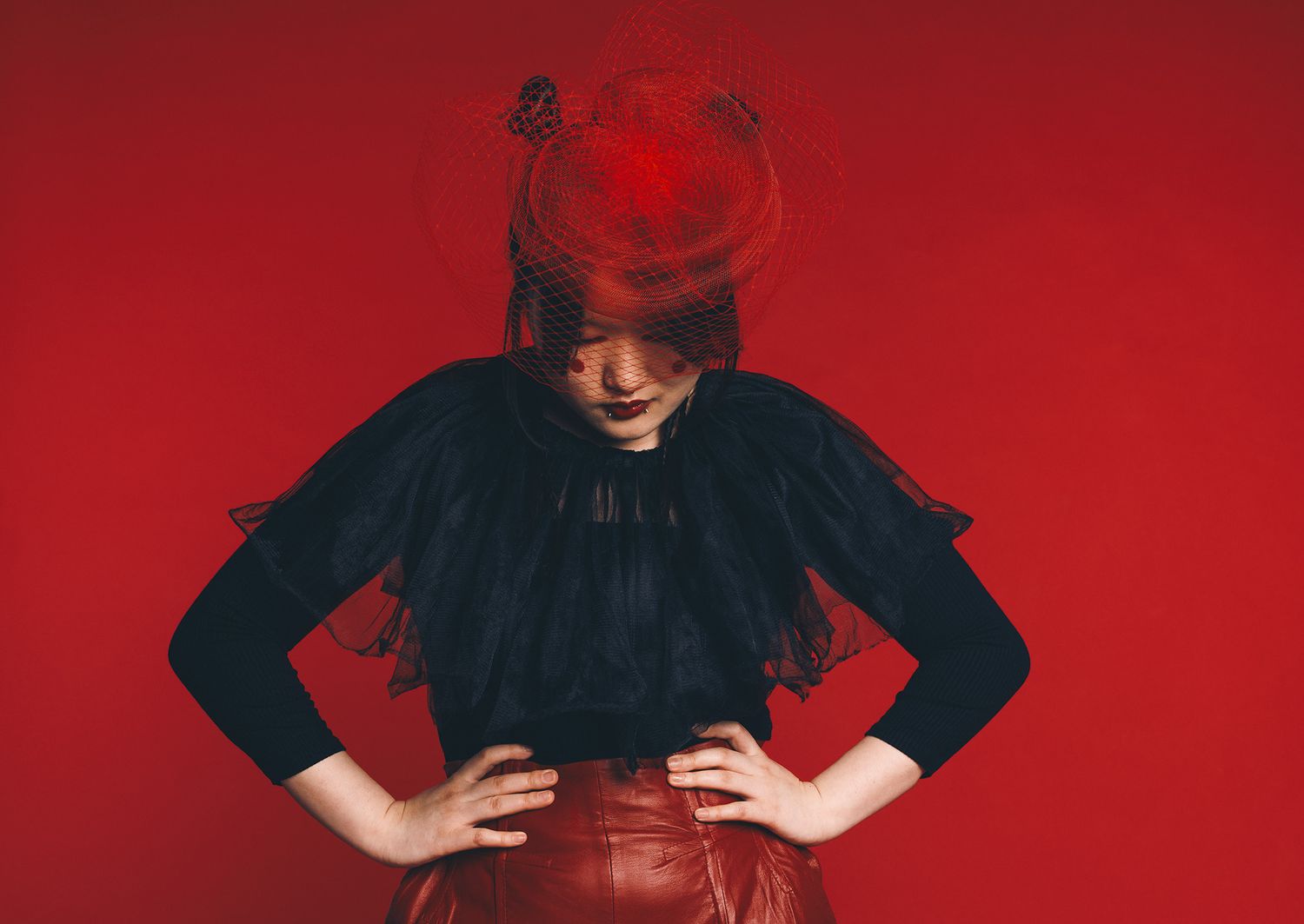
When a Japanese paper lantern, chochin, reaches the age of at least a hundred years, it may acquire a spirit of its own, and become Chochin-Obake.
Chochin-Obake is one of the tsukumogami spirits:
fascinating creatures of Japanese folklore who come into being when everyday household objects, like umbrellas, lanterns, or mirrors, acquire a soul after serving a family of humans for at least a hundred years.
In the case of Chochin-obake, the red paper lantern
splits along one of its wooden ribs forming a mouth,
eyes appear on the top half of the lantern, and arms
and legs sprout from its body. While believed to be a
particularly mischievous spirit, it rarely causes harm
to humans, preferring simply to surprise and scare,
laughing and rolling its eyes at house guests.


Siren
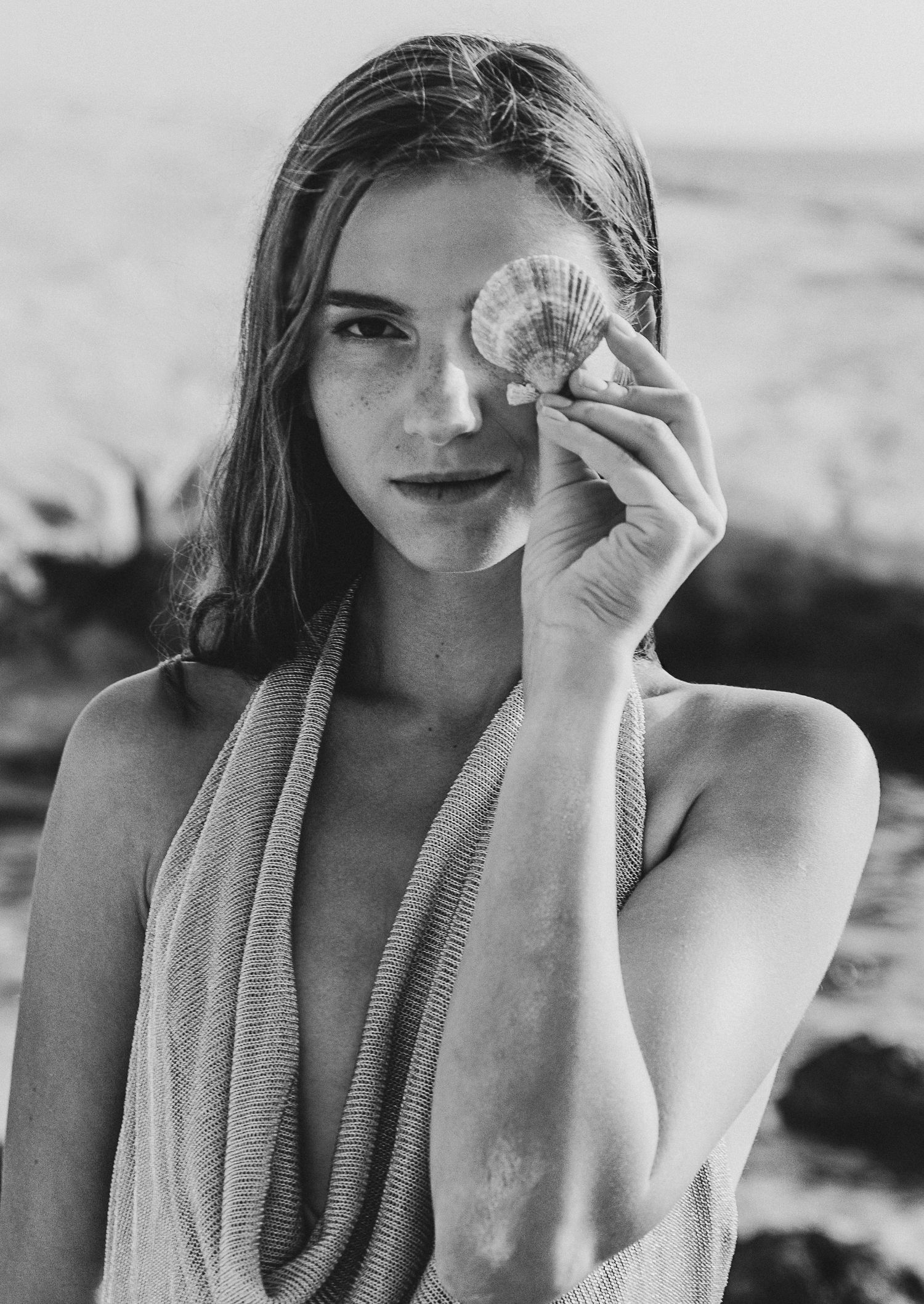
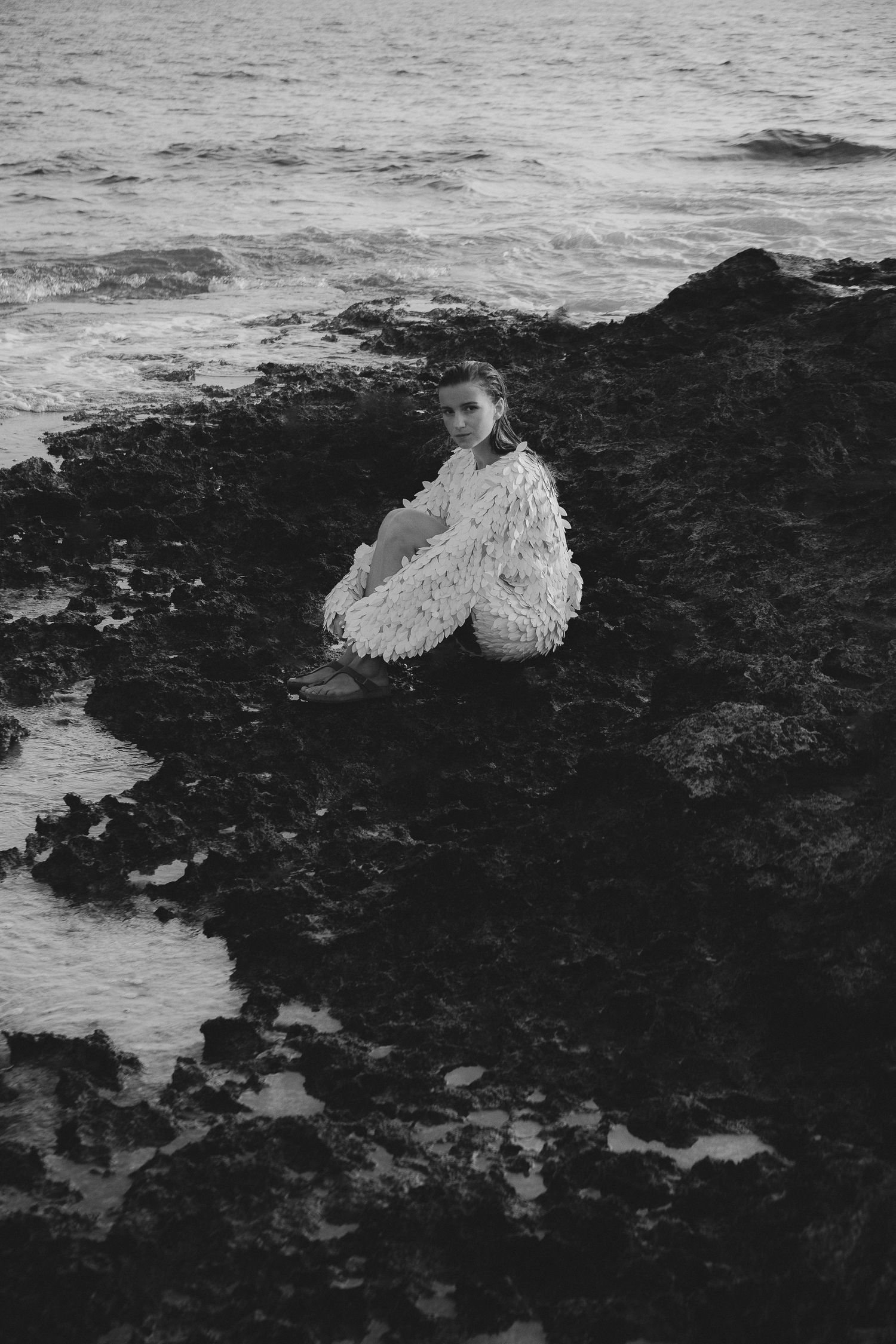
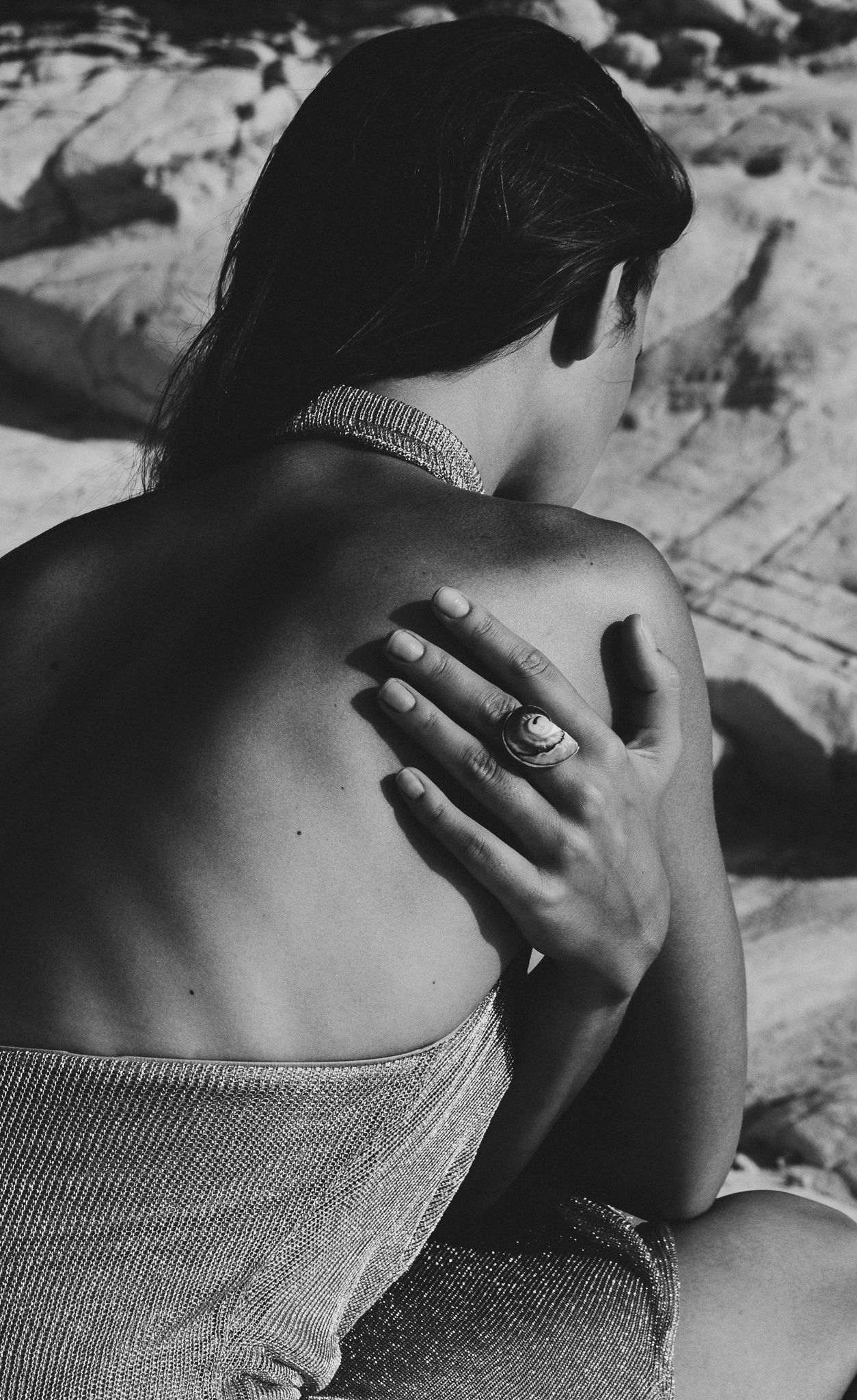
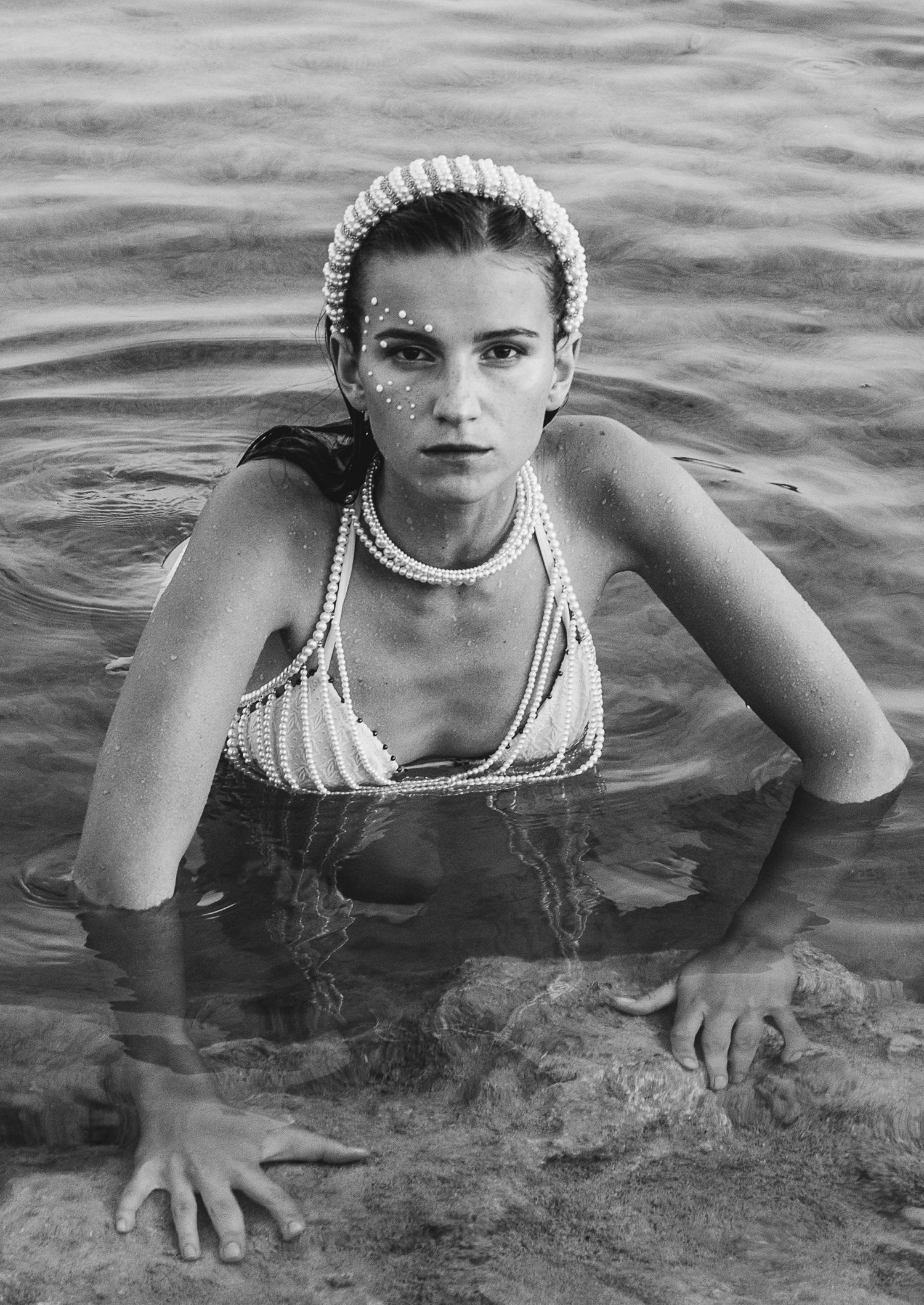
Siren, a beguiling creature from Ancient Greek
mythology, lures sailors to their doom on the rocky
coast of her island with her bewitching song.
In early Greek art sirens were portrayed as winged
half-human, half-bird creatures, however over the
centuries they acquired mermaid-like tails. The Sirens’ song was so beautiful that it put sailors into a trance, leading them to jump overboard, or sail their ship into the Siren island’s dangerous waters.
In Homer’s Odyssey, Odysseus managed to resist
the sirens’ charms by plugging his sailors’ ears with
beeswax, and asking them to tie him to the ship’s mast, to prevent himself from being lured off course by the sirens. He is believed to be one of the only humans to have heard to the siren’s magical song and survived.
Night Owls
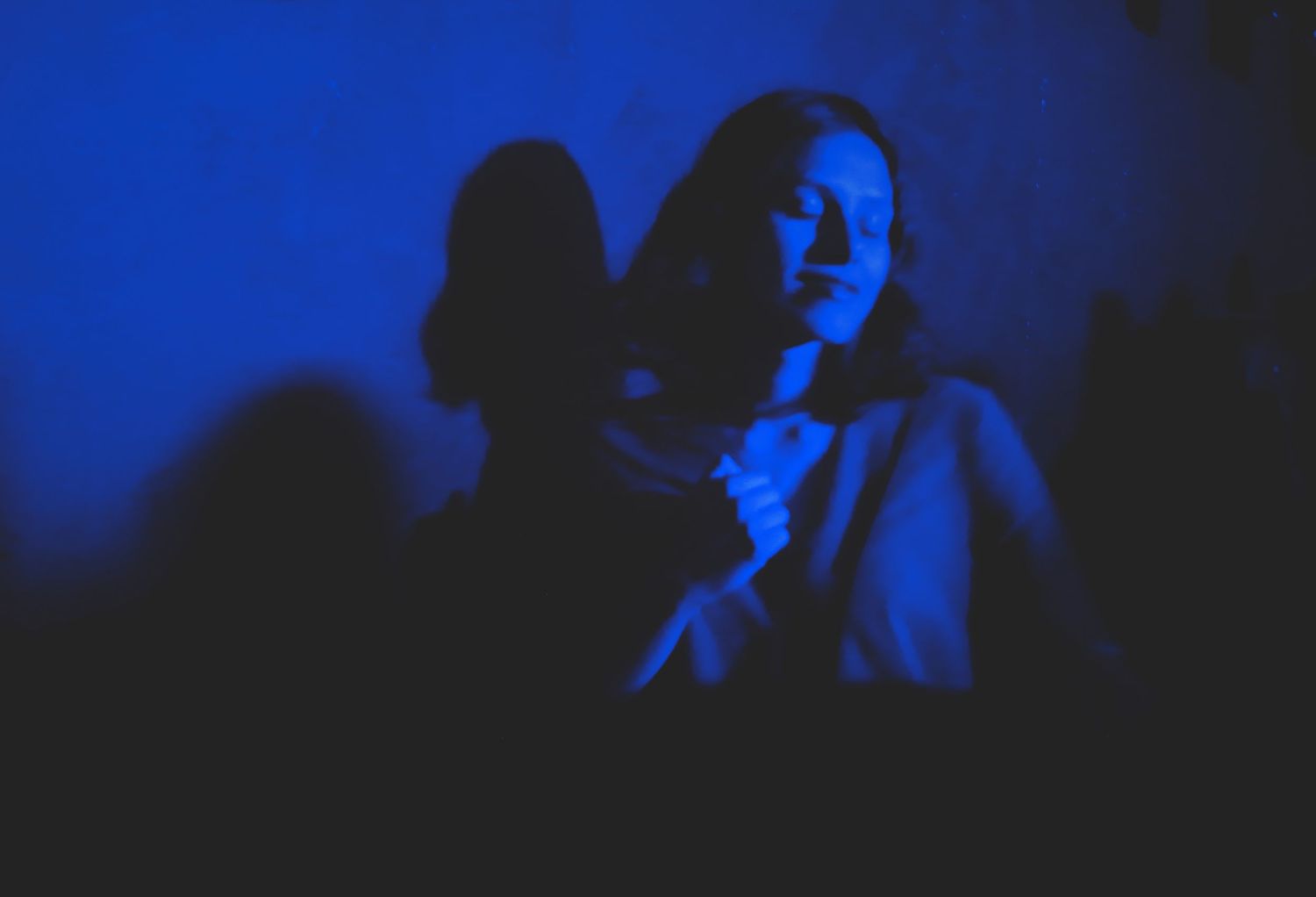
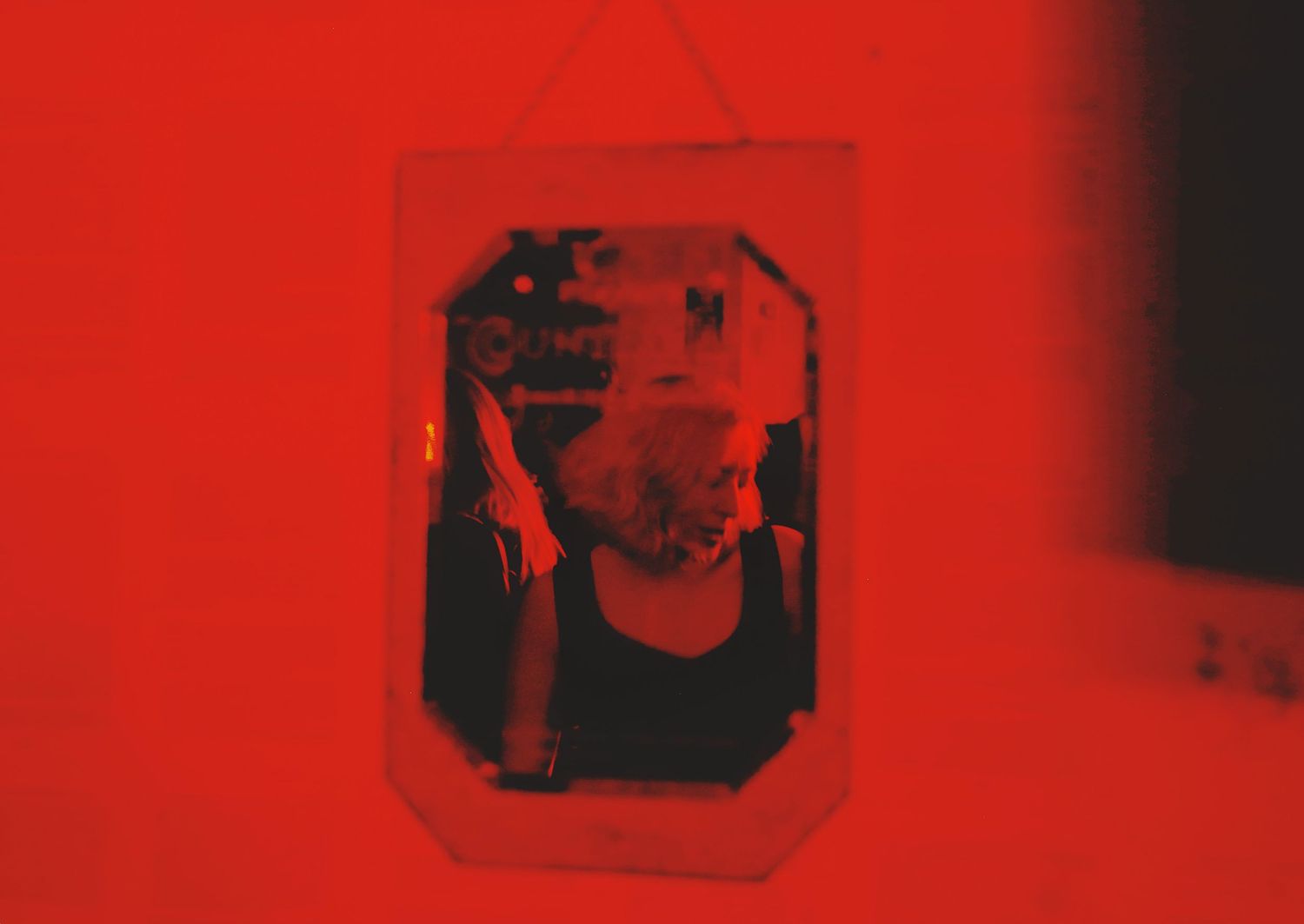
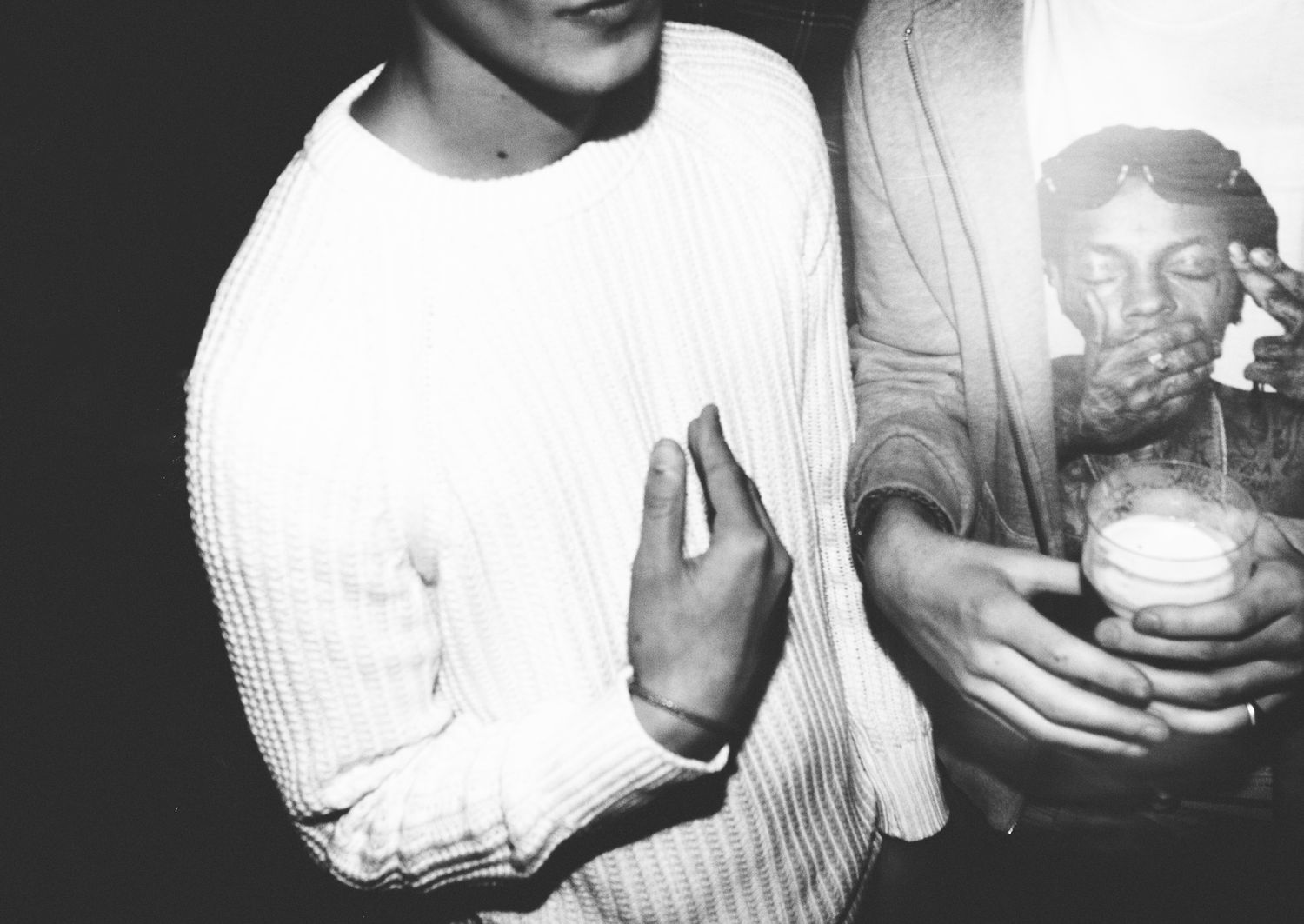
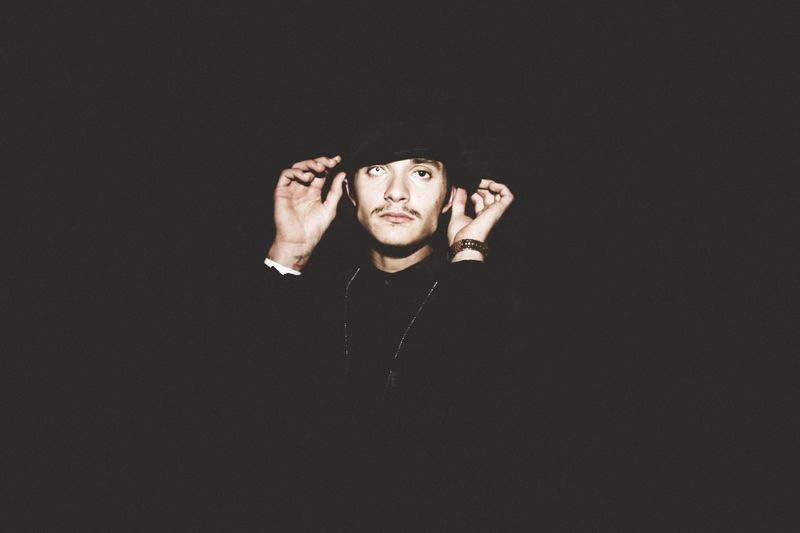
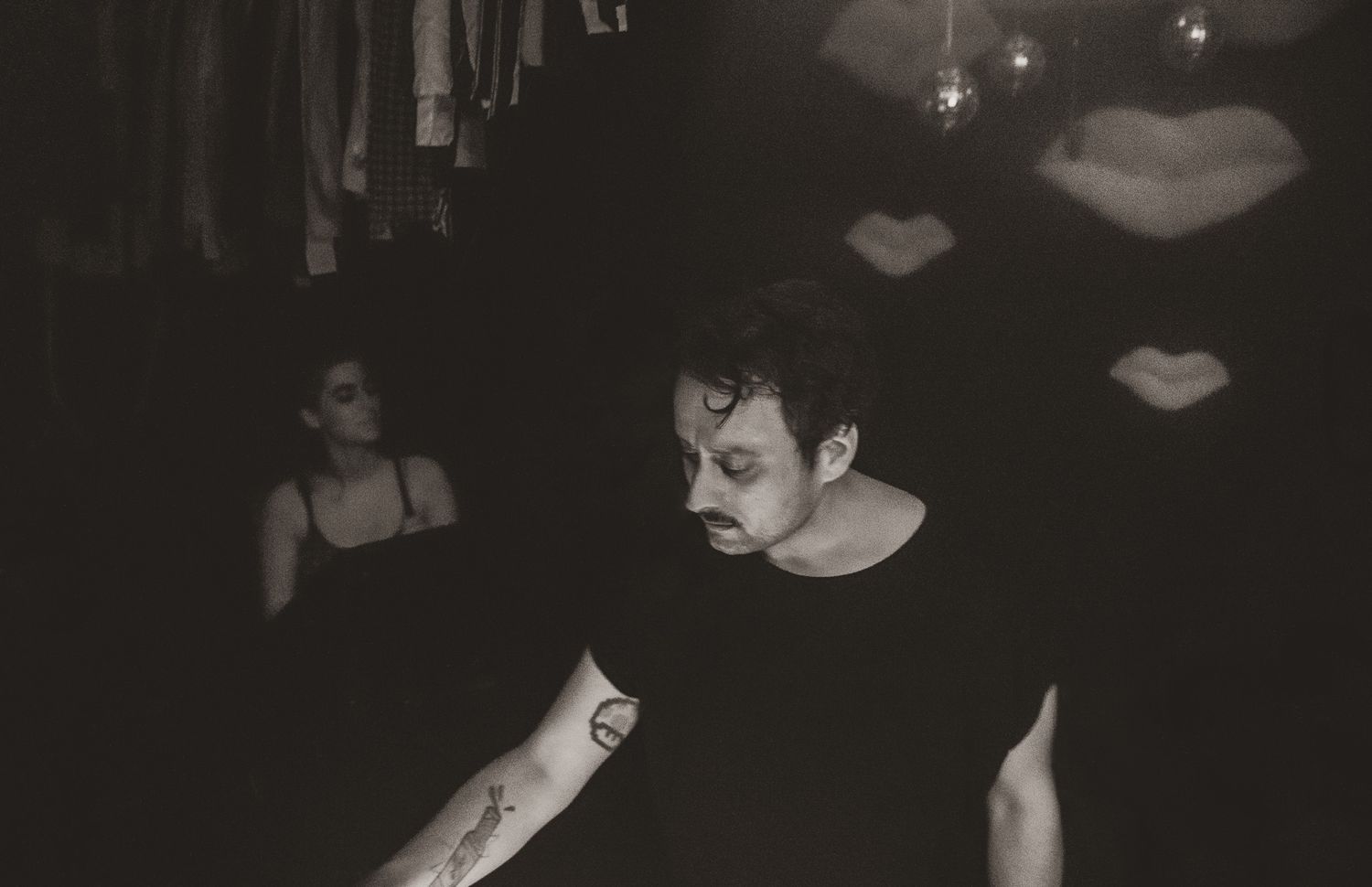
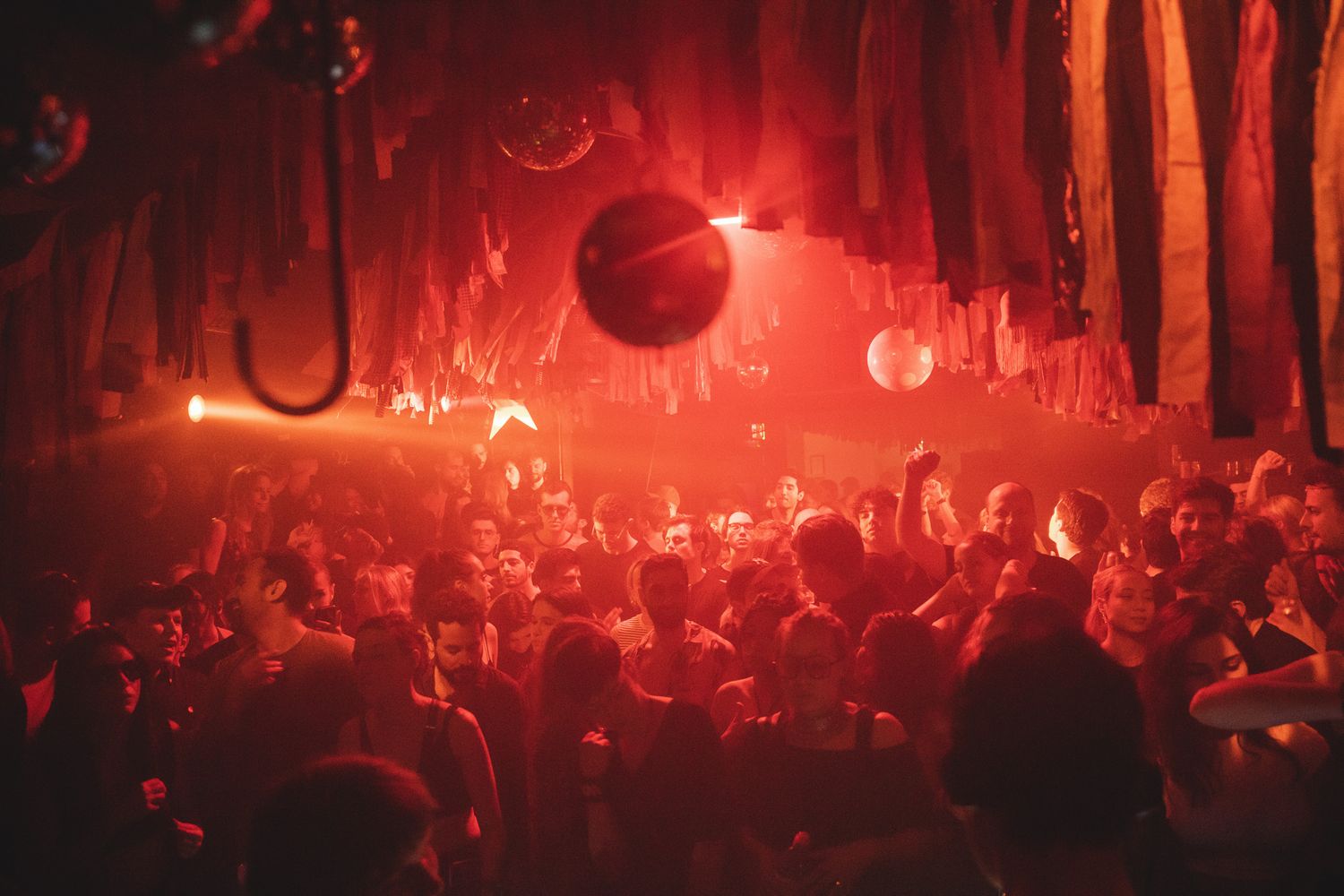
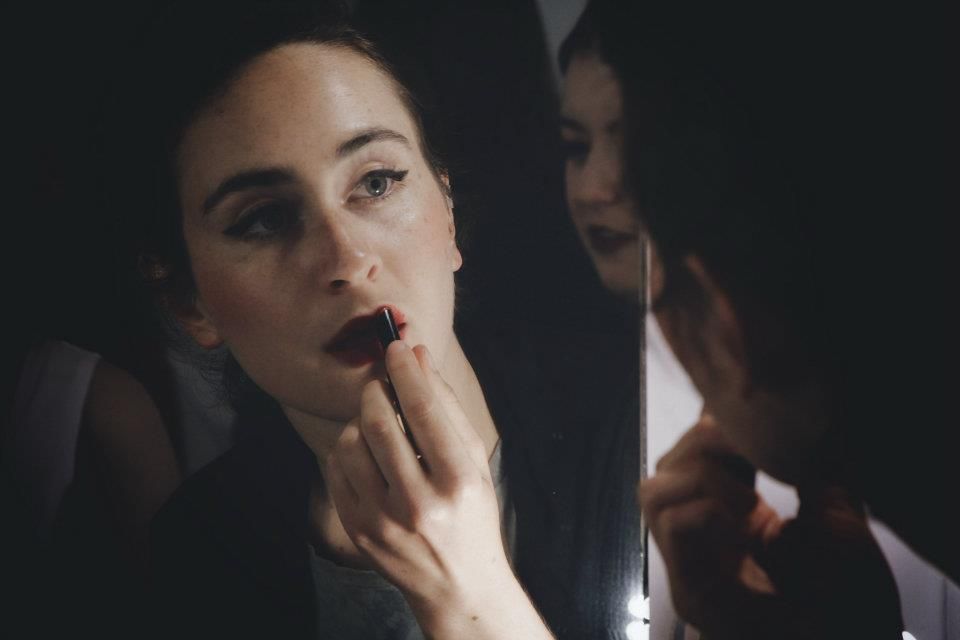
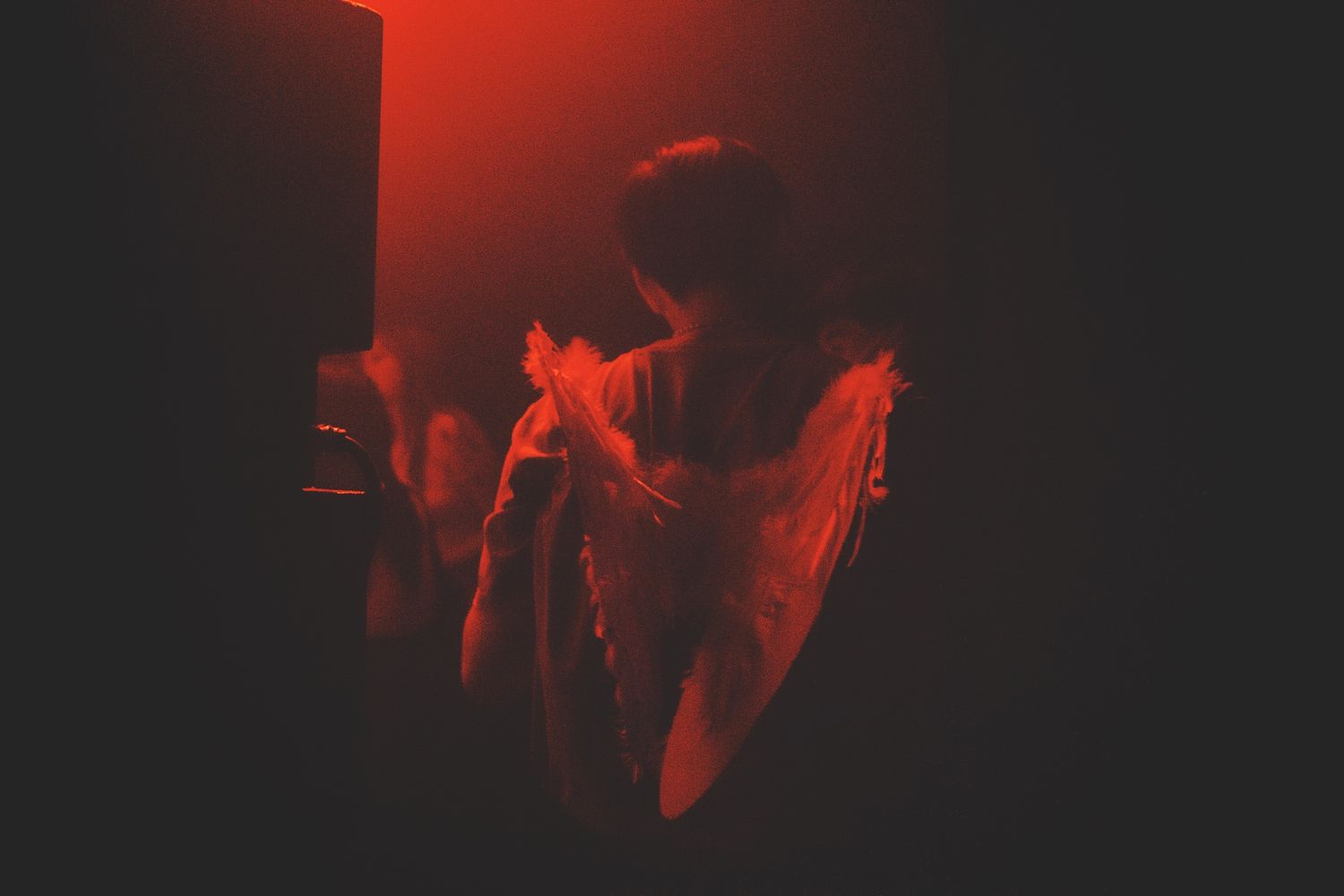
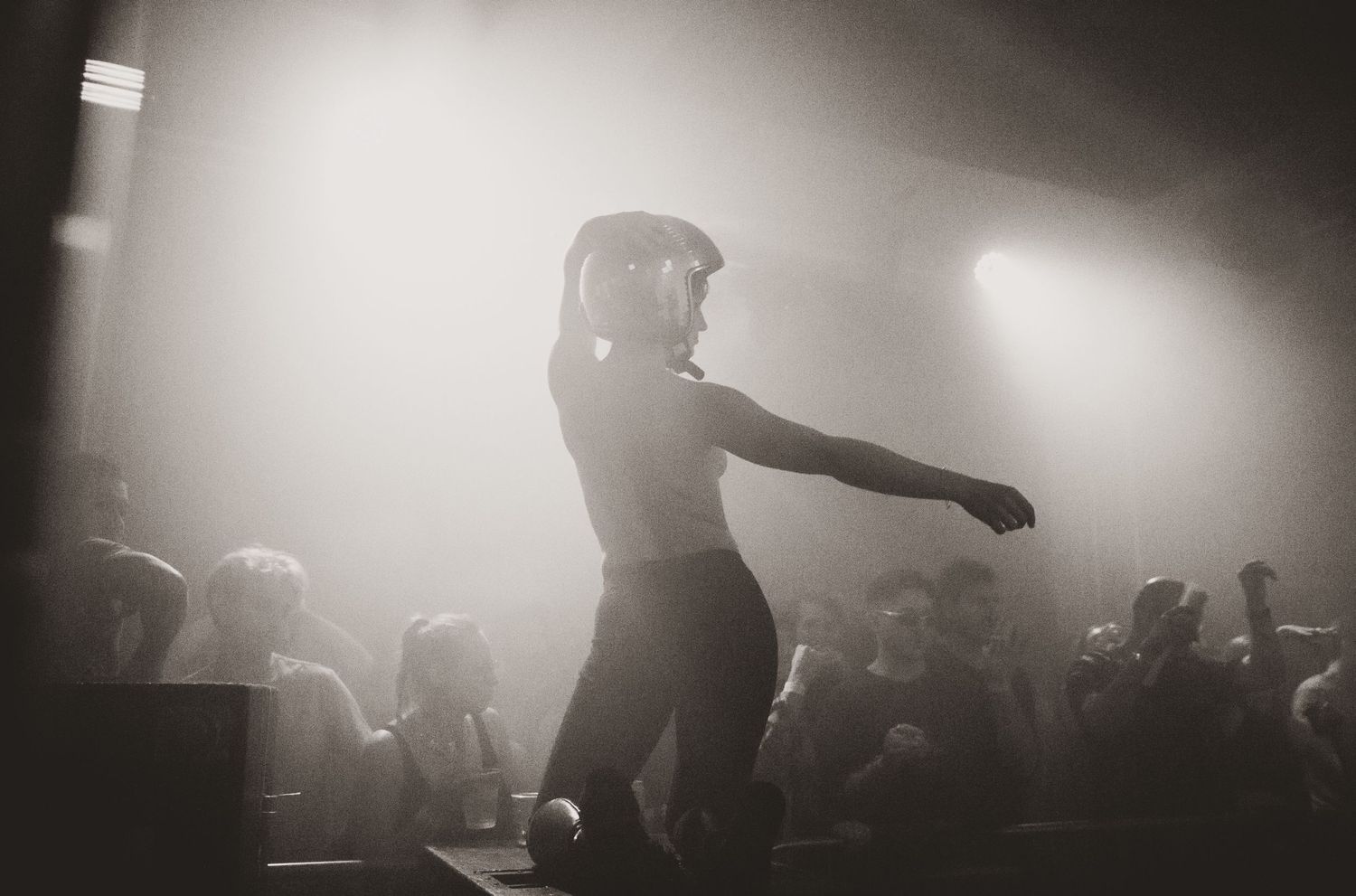
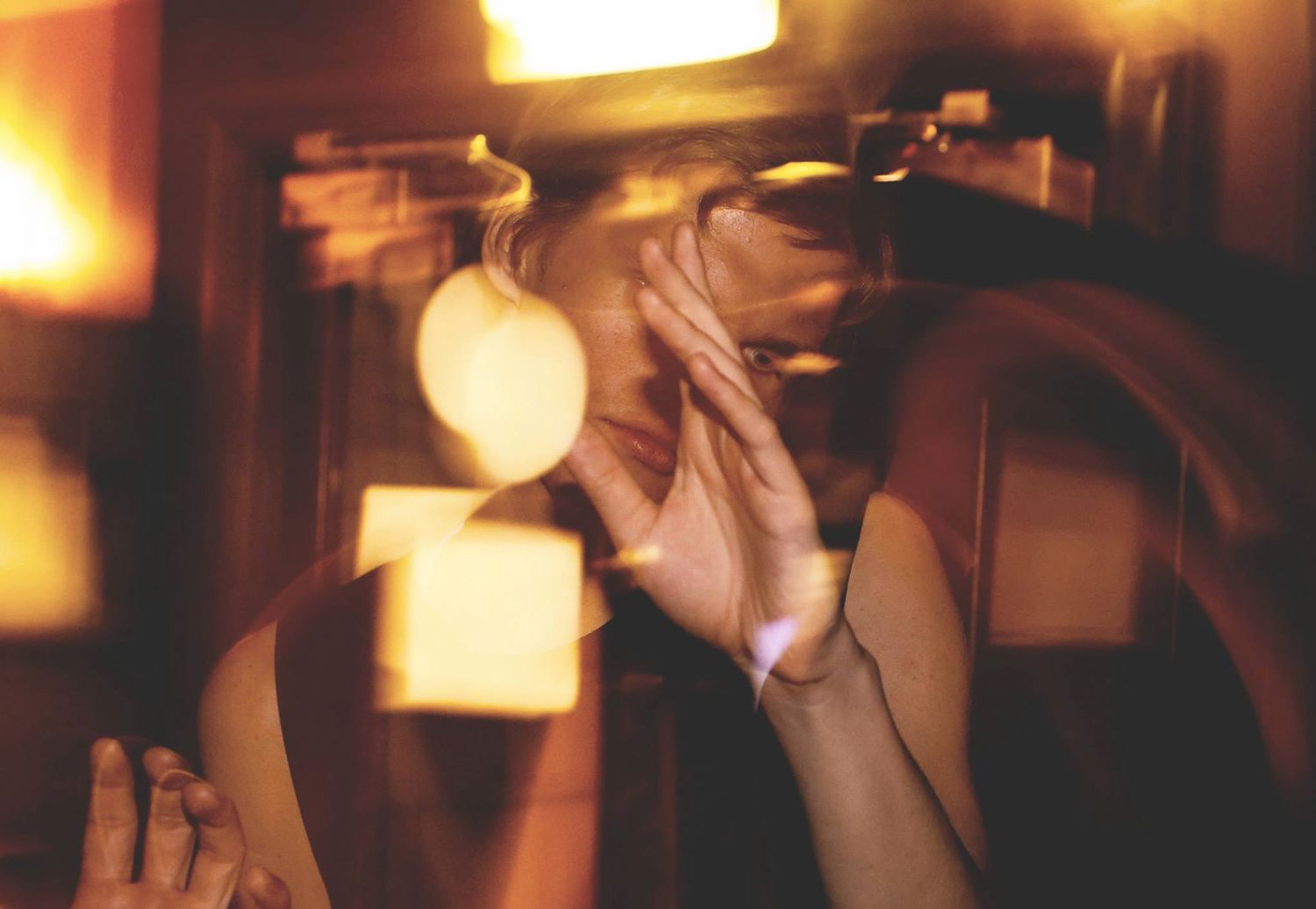
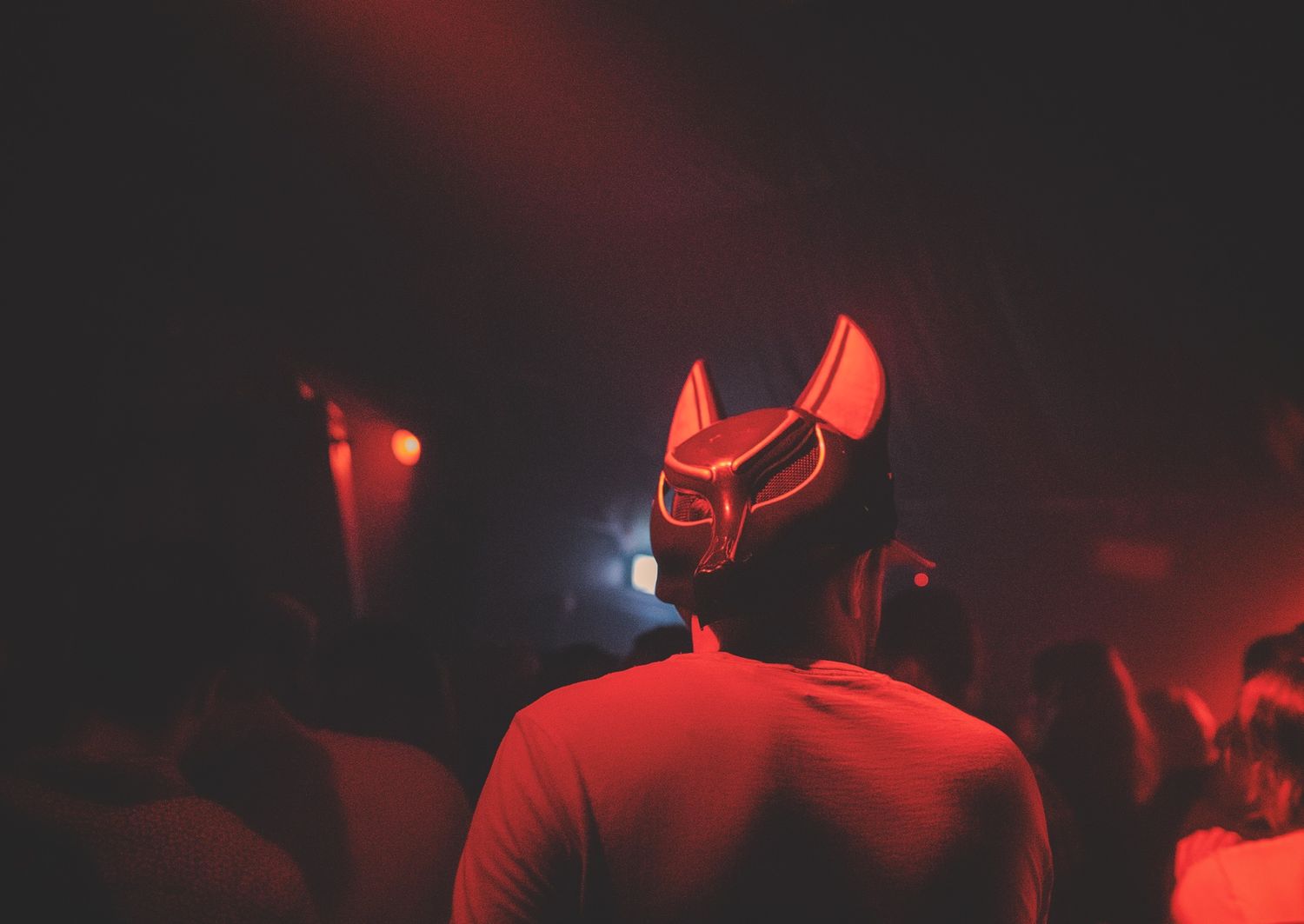
I originally compiled these images into a series for the ‘Club Culture’ exhibition organised by the RedGallery in Shoreditch. These photographs were taken throughout several years during my work as a photographer at electronic music events.
For many, these events become rare opportunities to be themselves outside of everyday work and home life routines. With gay and queer communities in the UK originally taking rise at Soho nightclubs and raves, many view electronic music events as safe spaces within which they can express themselves freely and feel accepted.
Through these portraits, I wanted to express the feeling of intimacy and freedom that arises in these spaces.

Get in Touch
Let's work together